Category: Accounting & Bookkeeping

  • Allowable Business Expenses IRAS 2026 – Ultimate Guide for Businesses in Singapore

    Allowable Business Expenses IRAS 2026 – Ultimate Guide for Businesses in Singapore

    [SUMMARIES]

    The Golden Rule: You can only deduct expenses incurred “wholly and exclusively” for business trade (e.g., rent, staff salaries, marketing).

    Strict “No-Gos”: Personal expenses and private car costs (S-plated) are never deductible, even if used for business meetings.

    Key Limits: Special caps apply to renovations ($300k over 3 years) and employee medical expenses (max 1% of total payroll).

    Audit Safety: You must keep all invoices and receipts (digital accepted) for at least 5 years to satisfy IRAS requirements.

    [/SUMMARIES]

    Discover how Singapore businesses can legally reduce taxable income by claiming allowable business expenses under IRAS. This comprehensive guide explains the critical differences between deductible and non-deductible costs, capital vs. revenue expenses, and special cases like R&D and renovations. Learn about medical expense caps and practical tips to stay compliant while optimizing your tax savings.

    What Are Allowable Business Expenses Under IRAS?

    In Singapore, allowable business expenses are the costs your business needs to pay in order to earn income, and IRAS lets you deduct them from your taxable income. Simply put, these are the everyday costs that keep your business running.

    To qualify:

    • The expense must be directly for your business, not for personal use.
    • It should be necessary to generate business income, like rent for your office or materials for your products.
    • Keep proper receipts and records – IRAS may ask to see them, and you need to keep them for at least five years.

    Typical examples include:

    • Rent and utilities for your office or shop
    • Salaries and wages for employees
    • Professional fees like accountants or consultants
    • Marketing and advertising to promote your business
    • Repairs and maintenance for equipment and premises

    By understanding and claiming these expenses correctly, your business can reduce taxable income legally and stay fully compliant with IRAS rules – all while saving money.

    General Rules for Claiming Allowable Business Expenses

    Maximize deductions with IRAS rules
    Maximize deductions with IRAS rules

    Expenses must be wholly and exclusively for producing business income. To apply this correctly, follow these IRAS guidelines:

    • Follow the ‘Incurred’ Rule (Accrual Basis): Claim expenses in the financial year they are incurred, not when paid.Example: An invoice received in December 2023 but paid in January 2024 belongs to the 2023 Year of Assessment.
    • Watch Out for Prohibited Expenses (Section 15): Certain costs, like private car expenses (S-plated cars), cannot be claimed, even if used for client meetings. Petrol, parking, or ERP charges for private cars are disallowed.
    • Apportion Mixed Expenses: For costs used partly for business and partly personal (e.g., home electricity bills), claim only the portion strictly for business.
    • Digitize Your Records: Keep records for at least 5 years. Digital copies via accounting software are accepted and prevent fading or loss.
    • Ensure ‘Arm’s Length’ Transactions: Payments to related parties (e.g., spouse) must be reasonable and reflect market rates. Overstated payments can be challenged by IRAS.

    Following these rules protects your business from penalties and makes tax filing easier and more transparent.

    Deductible vs Non-Deductible Business Expenses Under IRAS

    Understanding the difference between deductible and non-deductible expenses is essential for accurate tax filing in Singapore. Under IRAS rules, only expenses wholly and exclusively incurred in the production of business income can be deducted from gross income.

    Correct classification helps businesses reduce taxable income legally while remaining fully compliant with the Singapore Income Tax Act.

    Examples of Deductible Business Expenses

    Deductible expenses are day-to-day operational costs that support business activities.

    Employee-Related Costs

    • Salaries, bonuses, and employer CPF contributions
    • Staff medical expenses (subject to the 1% or 2% remuneration cap)
    • Employee training and skills-upgrading courses

    Operational Overheads

    • Office or shop rent, property tax, and utilities
    • Work-from-Home (WFH) expenses: incremental electricity or telecom costs attributable to business use

    Professional Services

    • Fees paid to accountants, tax agents, and lawyers
    • Company secretarial and statutory audit fees

    Marketing and Finance

    • Advertising and promotion (social media ads, SEO, print ads)
    • Bank charges and interest on business-related loans

    Repairs and Maintenance

    • Repairs to business premises
    • Maintenance of office equipment to keep them operational

    These expenses are deductible provided they are reasonable, business-related, and properly supported by documentation.

    Examples of Non-Deductible Business Expenses

    Non-deductible (disallowable) expenses must be added back when computing taxable income.

    Private and Personal Expenses

    • Personal meals, holidays, or family entertainment
    • Personal life or health insurance premiums
    • Home-to-office commuting costs

    Private Car Expenses (S-Plated Cars)

    • Petrol, parking, ERP, insurance, and maintenance

    IRAS strictly disallows all private car expenses, even if used for client meetings.

    Capital Expenditures

    • Purchase of fixed assets (machinery, vehicles, office furniture) (Claimable via Capital Allowances, not as direct expenses)
    • Trademark or patent registration (unless under approved tax incentive schemes)
    • Office renovation or refurbishment costs (covered under Section 14N)

    Fines and Penalties

    • Traffic fines
    • Late filing penalties imposed by IRAS or ACRA
    • Penalties arising from legal or regulatory breaches

    Prohibited Entertainment

    • Entertainment with no clear business purpose or documented business discussion

    Understanding these distinctions helps businesses avoid over-claiming, reduce audit risk, and maintain clean, compliant tax records.

    Revenue Nature vs Capital Expenditure: How IRAS Determines Deductibility

    Know what expenses are deductible
    Know what expenses are deductible

    IRAS determines whether a business cost is deductible based on its nature—whether it is revenue or capital in nature. Distinguishing between the two is essential for accurate tax filing and compliance with the Singapore Income Tax Act.

    Revenue Nature (Generally Deductible)

    Revenue expenses are recurring, day-to-day operating costs incurred wholly and exclusively to generate business income. Common examples include:

    • Rent, utilities, and office stationery
    • Salaries, bonuses, and employer CPF contributions
    • Marketing, advertising, and professional fees
    • Routine repairs that maintain assets without improving or extending their useful life

    These expenses are generally deductible in the year they are incurred, provided they are reasonable, business-related, and supported by proper records.

    Capital Expenditure (Not Deductible as Expenses)

    Capital expenses relate to long-term assets or expenditures that provide enduring benefits to the business. Typical examples include:

    • Purchase of machinery, office furniture, or IT equipment
    • Incorporation and business setup costs
    • Renovations or improvements that increase an asset’s value or extend its useful life

    Capital expenses cannot be deducted directly from income. Instead, qualifying assets may be claimed over time through Capital Allowances, in accordance with IRAS rules.

    Partial and Special Allowable Business Expenses Under IRAS

    Some business expenses are only partially deductible or subject to specific conditions and limits under IRAS rules. These expenses require extra care to ensure claims are accurate and compliant.

    COE for motor vehicles

    Under IRAS rules, the Certificate of Entitlement (COE) is treated as part of a vehicle’s capital cost rather than an operating expense. Its deductibility depends strictly on the classification of the vehicle:

    • Private Cars (S-plated, RU-plated, and Company Cars): Generally, no Capital Allowance (CA) is allowed for the vehicle or its COE. This remains true even if the car is used for business meetings. The only exceptions are vehicles used for specific trades, such as private hire cars or driving instruction vehicles.
    • Commercial Vehicles (e.g., Vans, Lorries, Motorcycles): If the vehicle is used for business, both the initial COE cost and any subsequent COE renewal costs are qualifying capital expenditures. These costs are claimed through Capital Allowances over the asset’s useful life, rather than being deducted as a one-time business expense.
    • Unused COE: If a COE is purchased but not used to acquire a vehicle (e.g., due to forfeiture or expiration), the cost is not deductible as it is considered a capital loss.

    Private Car / S-Plated Car Expenses

    Under IRAS rules, all expenses relating to private cars (S-plated cars) are not deductible, even if the vehicle is used partly or fully for business purposes.

    Non-deductible expenses include:

    • Petrol or EV charging costs
    • Parking fees and ERP charges
    • Road tax, insurance, and maintenance
    • Repairs, depreciation, and COE costs

    These expenses cannot be claimed, either as business expenses or through Capital Allowances.

    Exception: Only vehicles registered and used as private hire cars (PHV) or driving instruction vehicles may qualify for tax deductions, subject to IRAS conditions.

    Businesses should exclude all private car costs when computing taxable income to avoid disallowed claims and IRAS penalties.

    Renovation & Refurbishment Expenses

    Renovation and refurbishment (R&R) costs can be tax deductible under Section 14N, as long as the works do not affect the building structure (e.g. interior upgrades, fittings, repainting).

    • Tax deduction cap: SGD 300,000 per 3-year period Applicable to SMEs, sole proprietors, and partnerships
    • For sole proprietors: the cap applies per individual, regardless of the number of businesses
    • For partnerships: the cap applies at the partnership level

    Ideal for businesses upgrading offices, shops, or commercial spaces to support daily operations.

    Research & Development (R&D) Expenditure

    R&D expenses are tax deductible only if your business is the beneficiary of the R&D activities. Merely performing R&D work is not sufficient.

    Your business can claim R&D deductions if it:

    • Bears the financial risk of the R&D; and
    • Owns and can commercially use the resulting know-how or intellectual property (IP).

    Key restrictions:

    • Businesses providing R&D services for clients cannot claim R&D deductions, unless the R&D is done for their own business.
    • R&D expenses must be declared under “Allowable Business Expenses” in Form B (Self-Employed) or Form P (Partnership).

    Proper documentation of R&D scope and costs is required to support IRAS claims.

    Medical Expenses Cap

    Medical expenses provided to employees are tax deductible, but they are subject to a strict cap under IRAS rules to ensure the benefits remain reasonable.

    • Standard Cap (1%): Tax deductions for medical costs are generally limited to 1% of the total employee remuneration (including salaries, allowances, bonuses, and CPF contributions) for the relevant Year of Assessment.
    • What’s Included: This cap covers outpatient treatments, hospitalization costs, and medical insurance premiums paid by the employer.
    • Enhanced Cap (2%): The deduction limit can be increased to 2% if the company implements approved schemes like the Portable Medical Benefits Scheme (PMBS) or the Transferable Medical Insurance Scheme (TMIS).
    • Compliance: To be deductible, these benefits must be part of the employment terms and supported by proper documentation, such as original invoices, receipts, and payment records.

    How Allowable Expenses Reduce Taxable Income

    Lower your taxes with allowable expenses
    Lower your taxes with allowable expenses

    Allowable business expenses help reduce your company’s taxable income, which in turn lowers the amount of corporate tax payable to IRAS.

    In simple terms, tax is calculated on net profit, not total revenue:

    Taxable Income = Gross Income – Allowable Business Expenses

    When eligible expenses such as rent, salaries, utilities, marketing costs, or approved deductions (e.g. R&D, R&R, medical expenses) are properly claimed, your chargeable income decreases, resulting in lower tax liability.

    Why this matters:

    • Reduces corporate tax payable
    • Improves cash flow
    • Ensures compliance with IRAS regulations

    Accurate expense classification and proper documentation are essential to maximise deductions while avoiding IRAS penalties or audits.

    Common Mistakes & IRAS Audit Triggers

    Many businesses unintentionally make errors when claiming allowable expenses, which can increase the risk of an IRAS audit or tax adjustment.

    Common Mistakes Businesses Make:

    • Claiming personal expenses as business costs (e.g. private meals, personal transport)
    • Deducting capital expenses (equipment, renovations, vehicles) as revenue expenses
    • Over-claiming private car or medical expenses beyond IRAS limits
    • Missing or incomplete supporting documents (invoices, receipts, contracts)
    • Claiming expenses that are not wholly and exclusively incurred for business purposes

    Common IRAS Audit Triggers:

    • Unusually high expense ratios compared to revenue
    • Repeated claims for restricted or partially deductible expenses
    • Inconsistent figures across tax filings and financial statements
    • Large deductions without clear business justification

    Proper expense classification, clear documentation, and understanding IRAS rules can significantly reduce audit risks and help your business stay fully compliant.

    How Koobiz Helps Businesses Comply with IRAS Allowable Expense Rules

    Koobiz assists businesses in navigating strict IRAS regulations while maximizing legitimate tax deductions through our specialized solutions:

    • Correct expense classification: Deductible, partially deductible, or non-deductible
    • Audit-ready records: Invoices, receipts, and supporting documents
    • Expert guidance: Private car costs, R&D, renovation, and medical benefits
    • End-to-end support: From bookkeeping to tax filing

    Partner with Koobiz today to ensure your tax filings are accurate, fully compliant, and optimized for maximum savings. Let us handle the complexities while you focus on growing your business.

    FAQs: Practical Questions Business Owners Ask

    What business expenses are 100% deductible?

    Expenses incurred wholly and exclusively for business purposes are generally deductible, including staff costs, office expenses, professional fees, routine maintenance, and qualifying R&D expenses under IRAS rules.

    What expenses cannot be claimed as business deductions?

    Personal expenses, private car costs (S- or RU-plated vehicles), capital assets not claimed via capital allowances, fines, penalties, and dividends are not deductible under IRAS guidelines.

    What should businesses do to ensure expenses are tax-deductible?

    Businesses must ensure all expenses are incurred wholly and exclusively for business purposes, with no personal element included. Furthermore, every claim must be supported by proper invoices and original records maintained for at least 5 years as required by IRAS.

  • Singapore Corporate Tax Rate (2026): What SMEs and Start-Ups Need to Know

    Singapore Corporate Tax Rate (2026): What SMEs and Start-Ups Need to Know

    [SUMMARIES]

    Singapore applies a flat 17% corporate tax rate, though exemptions like the Start-Up Tax Exemption often significantly lower the effective rate for SMEs.

    All companies must mandatorily file Estimated Chargeable Income and annual tax returns, regardless of profitability or dormant status.

    Tax liability follows a territorial system based on residency and income source, allowing optimization through legitimate business expense deductions.

    [/SUMMARIES]

    Singapore has a flat 17% corporate tax rate, but most SMEs and start-ups pay much less thanks to tax exemptions, deductions, and reliefs. This guide explains how corporate tax works, who needs to pay, and how to optimize your tax legally – so you can focus on growing your business with confidence.

    What Is the Corporate Tax Rate in Singapore?

    Singapore maintains a highly competitive tax environment with a flat corporate tax rate of 17% on a company’s chargeable income. This rate applies universally, regardless of a company’s revenue size or industry.

    However, it is important to distinguish between the headline tax rate and the effective tax rate. Due to Singapore’s territorial tax system, companies are only taxed on:

    • Singapore-sourced income: Profits derived from business activities within the country.
    • Foreign-sourced income: Income received or remitted into Singapore (unless it meets specific exemption criteria under the Income Tax Act).

    To further support business growth, the Inland Revenue Authority of Singapore (IRAS) provides generous tax exemption schemes and annual Corporate Income Tax (CIT) Rebates. For instance, start-ups and SMEs often benefit from significant tax reliefs in their early years, bringing their actual tax liability well below the 17% mark. Understanding these nuances is key to efficient tax planning and maximizing your business’s net profit.

    Who Needs to Pay Corporate Tax in Singapore?

    Find out who must pay corporate tax
    Find out who must pay corporate tax

    Singapore adopts a territorial tax system, meaning corporate tax is primarily imposed based on where the income is sourced, rather than the owner’s nationality. Whether you are a local entrepreneur or a foreign investor, your tax liability is determined by your business activities within the red dot.

    Taxable Entities

    Under the Income Tax Act, any entity carrying on a trade or business in Singapore is subject to corporate tax on its chargeable income. This includes:

    • Local Companies: Entities incorporated in Singapore, such as Private Limited (Pte Ltd) companies and local subsidiaries of foreign groups.
    • Foreign Entities: Singapore branches or foreign corporations that derive profits from activities based in or managed from Singapore.

    Mandatory Filing Obligations: Active vs. Dormant

    A common misconception is that “no profit means no tax filing.” In reality, all companies must maintain their tax compliance with the Inland Revenue Authority of Singapore (IRAS):

    • Active or Loss-Making Companies: Filing is mandatory even if your company is in a loss position. Reporting these losses is actually beneficial, as they can often be carried forward to offset future taxable profits.
    • Dormant Companies: A company is considered dormant if it has no revenue or income. Filing remains compulsory unless you have officially applied for and been granted a Waiver of Income Tax Return by IRAS.

    Critical Update for 2026: Foreign Asset Gains (Section 10L)

    If your company is part of a relevant group (entities with at least one foreign establishment), you must pay attention to Section 10L. Since January 2024, gains from the disposal of foreign assets (e.g., overseas shares or property) are taxable if:

    • Remitted to Singapore: The gains are received in or brought into the country.
    • Lack of Economic Substance: The entity does not meet specific Economic Substance Requirements (ESR), such as having adequate staff, business spending, and strategic management (Control and Management) in Singapore.

    Expert Tip: Purely local SMEs with no foreign presence or complex holding structures are generally safe from Section 10L. However, if you plan to sell overseas assets and bring the funds back to Singapore in 2026, professional tax advice is highly recommended.

    How Corporate Tax Works in Singapore

    Make sense of Singapore corporate tax - simple, clear, actionable
    Make sense of Singapore corporate tax – simple, clear, actionable

    Singapore’s tax framework operates on two core pillars: The Source of Income and Tax Residency Status.

    What Income Is Taxable?

    Singapore levies a flat 17% tax rate on Chargeable Income (net profit after deductible expenses and allowances). This applies to:

    • Singapore-Sourced Income: Profits derived from business activities within Singapore.
    • Foreign-Sourced Income (Remitted): Interest, dividends, or profits earned abroad that are received in a Singapore bank account.
    • The 15% Rule (Foreign-Sourced Income Exemption): Under Section 13(9) of the Income Tax Act, foreign-sourced income received in Singapore may be tax-exempt if it has been subject to tax in the source country and the headline corporate tax rate of that country is at least 15% at the time the income is received in Singapore.

    Tax Resident vs. Non-Resident (YA 2026)

    Tax residency is determined by where the “Control and Management” of the business is actually exercised, rather than just the place of incorporation.

    Criteria Tax Resident Non-Resident
    Strategic Decisions Made within Singapore. Made outside Singapore.
    Board Meetings (BOD) Held in Singapore. For Virtual Meetings: >=

    50% of voting directors OR the Chairman must be in SG.

    Usually held outside Singapore.
    Start-up Exemptions Eligible for SUTE (Tax holiday for first 3 years). Ineligible.
    Tax Treaties (DTA) Eligible (Reduces taxes on cross-border trade). Ineligible for DTA benefits.
    COR Eligibility Yes (Certificate of Residence issued by IRAS). No.

    Tax Exemptions for Start-Ups and New Companies

    Save smart: Start-up tax exemptions & deductions
    Save smart: Start-up tax exemptions & deductions

    Singapore offers one of the most business-friendly corporate tax systems in the world. Through targeted tax exemption schemes, start-ups and SMEs can significantly reduce their actual tax burden – often paying far less than the headline 17% corporate tax rate, especially in the early years.

    Start-Up Tax Exemption (SUTE)

    The Start-Up Tax Exemption (SUTE) scheme supports newly incorporated companies during their first three consecutive Years of Assessment (YAs).

    Under SUTE, qualifying companies enjoy:

    • 75% tax exemption on the first S$100,000 of chargeable income
    • 50% tax exemption on the next S$100,000

    This provides up to S$125,000 of tax-exempt income per year, substantially lowering the effective tax rate for new businesses.

    To qualify, a company must be a Singapore tax resident, have no more than 20 shareholders, and at least one individual shareholder holding 10% or more of the shares. Investment holding and property development companies are excluded from this scheme.

    Partial Tax Exemption (PTE) for Companies

    After the first three YAs, or for companies that do not qualify for SUTE, the Partial Tax Exemption (PTE) scheme applies automatically.

    Under PTE, companies receive:

    • 75% tax exemption on the first S$10,000 of chargeable income
    • 50% tax exemption on the next S$190,000

    This results in up to S$102,500 of tax-exempt income each year, helping businesses maintain a consistently low effective tax rate as they grow.

    Effective Tax Rate: Understanding Your Real Corporate Tax

    Although Singapore’s corporate tax rate is 17%, most SMEs and start-ups pay a much lower effective tax rate. The effective tax rate is the actual percentage of profit a company pays after applying tax exemptions, deductions, and reliefs.

    With schemes such as start-up and partial tax exemptions, only part of a company’s chargeable income is taxed at 17%. As a result, many businesses—especially in their early years—end up with an effective tax rate of around 5% to 8%, rather than the headline rate.

    Understanding your effective tax rate helps you estimate your real tax liability, plan cash flow accurately, and identify legal ways to reduce corporate tax. Since exemptions and deductions differ by company, using a corporate tax calculator is often the simplest way to see how much tax your business actually needs to pay.

    How to Calculate Corporate Tax: Step-by-Step Guide

    Calculating corporate tax in Singapore is straightforward once you understand the process. The key is to work from your company’s profit and apply the relevant tax exemptions and deductions correctly.

    Step 1: Determine Your Accounting Profit

    Start with your net profit based on your financial statements for the year. This is your profit before tax.

    Step 2: Adjust to Arrive at Chargeable Income

    Add back non-deductible expenses and deduct allowable business expenses, capital allowances, and tax reliefs. The result is your chargeable income.

    Step 3: Apply Tax Exemptions

    Check whether your company qualifies for schemes such as the Start-Up Tax Exemption (SUTE) or Partial Tax Exemption (PTE). These exemptions reduce the portion of income subject to tax.

    Step 4: Apply the Corporate Tax Rate

    The remaining chargeable income is taxed at Singapore’s flat 17% corporate tax rate.

    Step 5: Calculate Your Final Tax Payable

    The amount after exemptions multiplied by 17% is your corporate tax payable to IRAS.

    Because exemptions and deductions vary by company, many SMEs use a corporate tax calculator to estimate their tax accurately and avoid surprises during filing. This also helps business owners understand their effective tax rate before submitting their corporate tax return.

    Tax Deductions & Optimization: How to Reduce Your Corporate Tax

    Reduce your tax smartly: Deductions and optimization tips you need!
    Reduce your tax smartly: Deductions and optimization tips you need!

    Singapore’s tax system allows businesses to legally reduce corporate tax, as long as expenses are properly claimed and comply with IRAS rules.

    To be tax-deductible, business expenses must:

    • Be incurred solely for business purposes
    • Be directly related to day-to-day business operations
    • Be operating (revenue) expenses, not long-term investments

    Common tax-deductible expenses include:

    • Employee salaries and employer CPF contributions
    • Office rent, utilities, and internet bills
    • Marketing, advertising, and promotional costs
    • Accounting, tax, and legal service fees
    • Business-related travel and operating expenses

    For asset purchases:

    • Items such as equipment, machinery, or IT systems are not deducted immediately
    • These costs are claimed over time through capital allowances

    Simple tax optimization tips for SMEs:

    • Keep clear and organized expense records
    • Separate business expenses from personal spending
    • Classify expenses correctly from the start
    • Apply tax exemptions and reliefs accurately

    With the right deductions and tax planning, many SMEs and start-ups are able to reduce their effective corporate tax rate, while staying fully compliant with Singapore tax regulations.

    Corporate Tax Filing and Compliance for SMEs

    All companies in Singapore must file corporate tax returns with IRAS, even if there is no profit. Staying compliant helps SMEs avoid penalties and unnecessary issues.

    Key filing requirements:

    • Estimated Chargeable Income (ECI): Filed within 3 months after the financial year end (unless exempted)
    • Corporate Income Tax Return (Form C / Form C-S): Filed annually

    To stay compliant, SMEs should:

    • File tax returns on time
    • Keep accurate financial records
    • Claim deductions and exemptions correctly
    • Avoid claiming personal or non-deductible expenses

    With proper planning and timely filing, corporate tax compliance can be simple and stress-free allowing business owners to focus on running and growing their business.

    Simplify Singapore Corporate Tax with Koobiz

    Corporate tax compliance in Singapore doesn’t have to be complicated. Koobiz supports SMEs and start-ups with accurate tax filing, proper use of tax incentives, and full compliance with IRAS regulations.

    By working with Koobiz, businesses can:

    • Minimize tax risks
    • Avoid common filing mistakes
    • Manage corporate tax confidently and efficiently

    This allows you to focus on business growth and daily operations, without worrying about compliance issues.

    FAQs on Singapore Corporate Tax

    How much is corporate tax in Singapore?

    Singapore’s headline corporate tax rate is 17% on chargeable income. However, most SMEs and start-ups pay a lower effective tax rate due to tax exemptions, deductions, and reliefs.

    Does a company with no profit still need to file a tax return?

    Yes. Even if your company has no profit or is inactive, you must file the Estimated Chargeable Income (ECI) and the annual Corporate Income Tax Return with IRAS. Failing to file can result in penalties.

    Do foreigners pay a different corporate tax rate in Singapore?

    No. Singapore applies the same corporate tax rate to all companies, regardless of the owners’ nationality or residency. What matters is whether the company is tax resident in Singapore and where the income is sourced.

  • File ECI in Singapore: How to File Estimated Chargeable Income Correctly

    File ECI in Singapore: How to File Estimated Chargeable Income Correctly

    [SUMMARIES]

    Singapore companies must file Estimated Chargeable Income (ECI) within three months of their financial year-end unless eligible for a waiver.

    Early filing secures interest-free payment installments, while late submission triggers penalties and immediate tax demands.

    ECI is a mandatory preliminary tax estimate distinct from the final Corporate Income Tax Return and is vital for compliance.

    [/SUMMARIES]

    Discover how businesses in Singapore can file their Estimated Chargeable Income (ECI) correctly and on time. This guide explains what ECI is, who needs to file, important deadlines, common mistakes to avoid, and how professional support from Koobiz can make the process simple, accurate, and stress-free.

    What Is Estimated Chargeable Income (ECI)?

    Estimated Chargeable Income (ECI) is an estimate of your company’s taxable profits for a specific Year of Assessment (YA) in Singapore. It reflects your projected taxable income after allowable expenses but before applying tax incentives such as Partial Tax Exemption (PTE) or Start-Up Tax Exemption (SUTE).

    ECI is a key part of Singapore’s corporate tax system. It allows the Inland Revenue Authority of Singapore (IRAS) to assess tax liabilities early—well before the final corporate tax return (Form C, C-S, or C-S Lite) is submitted. This helps both the tax authority and businesses manage cash flow and tax obligations efficiently.

    All Singapore-incorporated companies must submit their ECI within 3 months after the end of the financial year, unless they qualify for an ECI filing waiver, regardless of profit or loss.

    Who Needs to File ECI in Singapore?

    Know if your company must file ECI
    Know if your company must file ECI

    Most Singapore-incorporated companies must file their Estimated Chargeable Income (ECI), even if they made no profit. Filing ECI allows IRAS to estimate your tax early and helps you plan cash flow.

    1. Filing Requirement

    • Active companies, including subsidiaries and foreign branches.
    • Dormant companies or those with nil profits, unless granted a waiver.

    2. ECI Filing Waiver

    You do not need to file ECI if both conditions are met:

    • Annual revenue ≤ SGD 5 million.
    • ECI is nil for the Year of Assessment (before exemptions).

    Examples

    Revenue ECI Need to File?
    $5M $100,000 Yes
    $10M Nil Yes
    $5M Nil No

    Key Point: Missing the filing deadline may lead IRAS to estimate your tax, which could be higher. Filing on time ensures compliance and avoids penalties.

    When Do Companies Need to File ECI?

    In Singapore, companies must file their Estimated Chargeable Income (ECI) within three months after the end of their financial year (FYE).

    IRAS usually sends a reminder via the myTax Portal, but the legal responsibility to file on time lies with the company. Even without a notification, submission must be completed by the deadline unless an administrative waiver applies.

    Example: For a FYE of 31 December, the ECI must be filed by 31 March the following year.

    Timely filing keeps your company compliant and prevents IRAS from issuing an estimated Notice of Assessment (NOA), which may result in higher provisional taxes and immediate payment demands.

    Why Companies Should File ECI Early: Benefits and GIRO Installment Plan

    File ECI early for smoother payments
    File ECI early for smoother payments

    Filing your Estimated Chargeable Income (ECI) early is a smart financial strategy. It allows your company to maximize the number of interest-free GIRO installments, spreading your tax payments and improving cash flow predictability.

    GIRO Installments by Filing Timeline

    Filing Timeline (After FYE) Maximum GIRO Installments
    Within 1 month 10
    Within 2 months 8
    Within 3 months 6
    After 3 months 0 (full payment required)

    Note: Minimum monthly deduction is S$50, and a GIRO arrangement with IRAS is required.

    Example: Company A (FYE 31 December, Tax S$10,000)

    Scenario Filing Date Payment Scheme Deduction Details
    Early Filing 26 Jan 10 Installments S$1,000/month (Feb–Nov)
    Standard Filing 26 Mar 6 Installments S$1,666/month (Apr–Sept)
    Late Filing After 31 Mar Lump Sum S$10,000 (full payment)

    Key Takeaways:

    • Filing within 1 month after FYE gives maximum flexibility.
    • Early filing spreads out payments, easing cash flow.
    • Avoids estimated NOA from IRAS, which can result in higher provisional taxes.

    How to File ECI with IRAS

    Filing your Estimated Chargeable Income (ECI) is a streamlined digital process conducted through the IRAS myTax Portal. To ensure a smooth submission, your company must have its digital credentials and financial data prepared in advance.

    Where to File ECI (IRAS myTax Portal)

    All ECI submissions must be completed online. Before logging in, ensure the following:

    • Portal: Access via myTax Portal.
    • Identity: Log in using your Singpass.
    • Authorization: The person filing (Director, Employee, or Tax Agent) must be authorized as a “Corporate Tax (Filing and Applications)” user via the Corppass system.
    • Entity Details: Have your Company UEN (Unique Entity Number) and Entity ID ready.

    Information Required for ECI Filing

    To ensure accuracy and avoid future discrepancies with your final tax return (Form C/C-S), prepare these figures:

    • Revenue: Your gross income from main business activities. For Investment Holding Companies, this includes dividends and interest income.
    • Estimated Chargeable Income: Your projected taxable profit after deducting allowable expenses, but before applying tax exemptions (like SUTE or PTE).
    • Financial Records: While audited accounts are preferred, management accounts are acceptable for estimating ECI.
    • Accounting Period: Ensure the filing corresponds to the correct Year of Assessment (YA) based on your Financial Year End (FYE).

    Who Can Submit ECI on Behalf of the Company

    The company is legally responsible for the accuracy of all ECI information submitted. ECI submissions may be made by:

    • Company Directors or authorized internal staff.
    • Tax Agents / Accounting Firms formally appointed via CorpPass.

    Note: Even when a third party submits on the company’s behalf, the company remains fully accountable for the correctness of the declared figures.

    What Happens If You Fail to File ECI?

    Failing to file ECI brings penalties
    Failing to file ECI brings penalties

    Failing to submit your Estimated Chargeable Income (ECI) within the three-month statutory window is considered non-compliance and may trigger several consequences from IRAS:

    • Estimated Notice of Assessment (NOA): IRAS may issue an automated tax bill based on historical data or industry benchmarks, which could be higher than your actual tax liability.
    • Immediate Payment Obligation: You must pay the tax stated in the Estimated NOA within one month of issuance, even if you plan to file an objection later.
    • Loss of GIRO Installments: Late filers cannot use interest-free monthly payment plans and must pay the full tax in a lump sum, which may strain cash flow.
    • Financial Penalties: IRAS may impose composition fees of up to S$5,000 for late filing. Persistent non-compliance may lead to additional enforcement measures under the Income Tax Act.

    Always file your ECI within three months of your Financial Year-End (FYE) to protect cash flow and ensure accurate tax assessment. If your company qualifies for an administrative waiver (Revenue ≤ S$5M and NIL ECI), maintain proper documentation of your self-assessment to avoid disputes with IRAS.

    Common Mistakes When Filing ECI

    Filing Estimated Chargeable Income (ECI) may seem straightforward, but companies frequently make errors that can lead to penalties, inflated tax assessments, or unnecessary administrative burdens. Avoiding these common pitfalls is essential for seamless compliance:

    • Missing the Filing Deadline: This is the most frequent error. Failing to file within three months after your Financial Year-End (FYE) triggers automated estimated assessments from IRAS and disqualifies your company from interest-free GIRO installment plans.
    • Incorrect Revenue Classification: Companies often mistakenly include non-operating income, such as capital gains from the sale of fixed assets, which should be excluded from ECI. Conversely, investment holding companies sometimes forget to include dividends and interest income as part of their revenue.
    • Misunderstanding ECI Waivers: Many small businesses continue to file ECI despite meeting both waiver criteria (Revenue <=5M and NIL ECI). While not a penalty-bearing mistake, it creates unnecessary administrative work. Always self-assess your eligibility before proceeding with a filing.
    • Inaccurate Taxable Income Estimation: Significant discrepancies between your ECI and the final figures in your Form C/C-S can raise red flags. While it is an “estimate,” it should be based on reliable management accounts to avoid potential queries from IRAS.
    • Unauthorized Portal Access: A common technical hurdle occurs when a staff member attempts to file without the proper “Corporate Tax” role assigned in Corppass. Ensure all filers—whether internal staff or third-party agents—are officially authorized to prevent rejected submissions.

    Key Tip: Before clicking ‘Submit’, double-check that your revenue figures align with your management accounts and confirm that your Year of Assessment (YA) is correct. If you are unsure about your taxable income deductions, consulting a tax professional can prevent costly amendments later.

    ECI Filing vs. Corporate Income Tax Return – What’s the Difference?

    While both ECI filing and the Corporate Income Tax Return relate to your company’s taxable income, they serve different purposes and follow distinct timelines in the Singapore tax cycle. Think of ECI as your “preliminary declaration” and the Tax Return as your “final settlement.”

    Feature ECI (Estimated Chargeable Income) Corporate Income Tax Return (Form C / C-S)
    Primary Purpose Provides an early estimate of taxable income to IRAS. Reports actual taxable income and computes final tax payable.
    Filing Deadline Within 3 months after the Financial Year-End (FYE). By 30 November of the relevant Year of Assessment (YA).
    Basis of Figures Based on estimated figures (projections from management accounts). Based on final financial statements and tax computations.
    Tax Impact Determines provisional installments (GIRO) and early payment. Determines the final tax bill and settles any balance/refund.
    Requirement Mandatory for all companies unless a waiver applies. Mandatory for all companies, even if an ECI has been filed.

    Key Takeaways:

    • Cash Flow Management: ECI filing is primarily about estimating your tax early to qualify for interest-free installments and managing your company’s cash flow.1
    • Final Compliance: The Corporate Income Tax Return (Form C/C-S) is the definitive report of your actual income. Filing an ECI does not replace the need to file your final Tax Return.
    • Accuracy: Both filings are required for full compliance. Any discrepancies between your ECI and your final Tax Return will be adjusted by IRAS in the final Notice of Assessment.

    How Koobiz Can Help with ECI Filing in Singapore

    Koobiz specializes in helping businesses file ECI accurately and on time.

    Why choose Koobiz:

    • Expertise: Years of experience in Singapore corporate tax and ECI filing.
    • Accuracy & Compliance: Avoid penalties and estimated assessments from IRAS.
    • Time-Saving: We handle the filing so your team can focus on growing the business.
    • Stress-Free: Professional guidance ensures smooth and worry-free ECI submission.

    With Koobiz, ECI filing is simple, reliable, and fully compliant, giving your business peace of mind.

  • Maximize Income Tax Relief Singapore 2026: Complete Guide to Deductions & New Rules

    Maximize Income Tax Relief Singapore 2026: Complete Guide to Deductions & New Rules

    [SUMMARIES]

    Total Relief Cap: There is a firm limit on how much total personal tax relief you can claim. For the 2026 tax year, this cap is set at S$80,000 per person.

    Course Fees Relief Cessation: The S$5,500 tax relief for course fees is no longer available for expenses you paid in 2025.

    Updated WMCR: For children born or adopted from January 1, 2024 onwards, the Working Mother’s Child Relief is now a fixed cash amount instead of a percentage of the mother’s income.

    CPF Top-Up Limits: You can get tax relief for topping up your or your loved ones’ CPF accounts, but it’s capped at S$16,000 total (S$8,000 for yourself, S$8,000 for others). Note that top-ups matched by a government grant no longer qualify.

    Donation Multiplier: The 250% tax deduction for qualifying donations to IPCs remains a powerful tool for reducing chargeable income through Dec 31, 2026.

    [/SUMMARIES]

    For the 2026 Year of Assessment (YA), maximizing income tax relief singapore means adapting to new rules. With the removal of the SG60 Rebate and Course Fees Relief, the focus shifts to core strategies like retirement contributions and family support. Koobiz presents this essential guide to help you claim every eligible deduction.

    ⚠️Critical Warning: The S$80,000 Cap

    No matter how many reliefs you qualify for, the total amount you can subtract from your income is capped at S$80,000. If you have a high income, it’s crucial to calculate your total reliefs before making extra voluntary contributions to avoid putting money where it won’t give you a tax benefit.

    Understanding Singapore Personal Income Tax 2026

    Singapore uses a progressive tax system. This means the tax rate you pay increases as your taxable income rises. Tax reliefs are simply tools to lower your “chargeable income”—the final amount the tax authority (IRAS) uses to calculate your tax bill.

    Your residency status is key. If you live in Singapore for 183 days or more in a year, you are taxed at lower resident rates. Effective tax planning starts with knowing your income level and which tax bracket you fall into. Koobiz emphasizes that strategic tax planning begins with knowing exactly where you fall on the income ladder.

    Who Needs to File Tax in 2026?

    Minimum Income & No-Filing Service (NFS
    Minimum Income & No-Filing Service (NFS

    You generally need to file a tax return if your total annual income in 2025 exceeded S$22,000. You must also file if IRAS sends you a notice, or if you need to claim certain reliefs that aren’t applied automatically. According to data from the Singapore Ministry of Finance in 2025, over 60% of taxpayers now benefit from the No-Filing Service (NFS), where their taxes are computed automatically based on data from employers and government agencies. However, individuals with rental income or self-employment earnings must still manually verify their details on the myTax Portal by the April 18 deadline.

    Resident Tax Rates for YA 2026

    The tax rates for residents remain the same. Your first S$20,000 of income is not taxed. The rates then increase step-by-step, with the highest rate applied to income over S$1,000,000.

    Chargeable Income (S$) Tax Rate (%) Gross Tax Payable (S$)
    First 20,000 0% 0
    Next 10,000 2% 200
    Next 10,000 3.5% 350
    Next 40,000 7% 2,800
    Next 40,000 11.5% 4,600
    Next 40,000 15% 6,000
    Next 40,000 18% 7,200
    Next 40,000 19% 7,600
    Next 40,000 19.5% 7,800
    Next 40,000 20% 8,000
    Next 180,000 22% 39,600
    Next 500,000 23% 115,000
    Above 1,000,000 24%

    For example, someone earning S$120,000 would typically owe about S$7,950 in tax before any reliefs. However, by maximizing income tax relief singapore strategies, that same individual could potentially drop into a lower effective tax bracket, saving thousands of dollars in final payments.

    Core Family and Individual Reliefs for YA 2026

    The main personal reliefs fall into categories like Earned Income Relief, Child Reliefs, and Parent Reliefs. These are designed to help with the costs of living and supporting dependents. For many families, these reliefs provide the biggest reduction to their taxable income. Most are applied automatically if IRAS has your updated family details.

    Working Mother’s Child Relief (WMCR) Fixed-Dollar Update

    The relief for working mothers has changed for children born or adopted from January 1, 2024. It is now a fixed amount instead of a percentage of the mother’s salary.

    Child Order Born Before 1 Jan 2024 (Old Scheme) Born On/After 1 Jan 2024 (New Scheme)
    1st Child 15% of mother’s earned income S$8,000
    2nd Child 20% of mother’s earned income S$10,000
    3rd Child + 25% of mother’s earned income S$12,000

    This transition aims to provide more equitable support to lower- and middle-income working mothers. According to the National Population and Talent Division (NPTD) report of 2024, this policy shift was designed to simplify tax planning for young families while ensuring that tax benefits are not disproportionately skewed toward high earners.

    Parent and Handicapped Parent Relief

    You can claim this relief if you support a parent, grandparent, or great-grandparent who earned less than S$8,000 in the previous year. The amount depends on whether you live together:

    • Living Together:
      • S$9,000 per parent
      • S$14,000 per handicapped parent
    • Not Living Together:
      • S$5,500 per parent
      • S$10,000 per handicapped parent

    Only one person can claim relief for a specific dependent, so siblings should agree on who will claim it, especially if one is in a higher tax bracket where the savings are greater. Koobiz advisors often suggest that siblings discuss this early to maximize the household’s total tax savings, especially if one sibling is in a higher tax bracket.

    Retirement Savings: CPF and SRS Strategies

    The primary methods for retirement-based tax reduction are the CPF Cash Top-up and the Supplementary Retirement Scheme (SRS), which together can reduce your chargeable income by up to S$51,700 for Singaporeans. To understand the best path, one must compare the immediate tax savings against the liquidity constraints of these accounts.

    Feature CPF Cash Top-Up (SA/RA) Supplementary Retirement Scheme (SRS)
    Tax Relief Cap Max S$16,000 (S$8k self + S$8k loved ones) Max S$15,300 (Citizens/PR) / S$35,700 (Foreigners)
    Interest Rate ~4.0% p.a. (Risk-free) 0.05% p.a. (Must invest to grow)
    Withdrawal Only at Retirement Age (Age 55/65 rules) Anytime (Subject to penalties if early)
    Tax on Withdrawal Tax-Exempt 50% Tax Concession (at retirement age)
    Penalty N/A (Locked in) 5% penalty + 100% tax (if withdrawn early)

    As we move into 2026, the income tax relief singapore benefits of these schemes are more critical than ever, especially with the $80,000 cap in mind. Koobiz recommends that taxpayers calculate their total family reliefs first before deciding how much to “fill” their retirement accounts to avoid exceeding the cap.

    CPF Cash Top-up Relief (S$16,000 Max)

    You can get tax relief for topping up your own or your loved ones’ CPF Retirement or Special Accounts. The total relief is capped at S$16,000 per year, split equally between yourself and others. Specifically, a major update for YA 2026 is that cash top-ups that receive a matching grant under the Matched Retirement Savings Scheme (MRSS) are no longer eligible for tax relief. This ensures that taxpayers do not “double-dip” by receiving both a government grant and a tax deduction for the same dollar. According to CPF Board statistics from 2025, over 300,000 members utilized the cash top-up scheme to boost their retirement nest egg while simultaneously lowering their tax obligations.

    Maximizing the Supplementary Retirement Scheme (SRS)

    The SRS is a voluntary scheme where every dollar you contribute gives you a dollar of tax deduction. It’s particularly useful for higher earners, as it allows you to defer tax until retirement when your income (and tax rate) may be lower. At retirement, only 50% of the money you withdraw is taxed. For a foreigner earning a high salary, maximizing SRS contributions can lead to significant immediate tax savings. Koobiz highlights that for a foreigner earning S$250,000, a full SRS contribution can result in immediate tax savings of over S$6,000. It is a vital tool in the income tax relief singapore arsenal for those looking to optimize their wealth management.

    Charitable Giving and NSman Benefits

    250% Donation Deduction & NSman Relief
    250% Donation Deduction & NSman Relief

    Donating to approved charities and having served National Service (NS) can also lower your tax bill. The government uses these reliefs to encourage charitable giving and recognize national service. To illustrate this, the 250% donation deduction remains one of the most generous tax incentives in the Singapore system.

    Pro Tip: Always check the Charity Portal before making large donations to ensure the organization is an approved Institution of a Public Character (IPC). Only donations to IPCs qualify for the 250% tax deduction.

    How the 250% Donation Deduction Works

    When you donate to an approved charity, you don’t just subtract the donation amount. You get to subtract 250% of it. So, a S$1,000 donation reduces your taxable income by S$2,500. This scheme is extended until the end of 2026. If your total reliefs hit the S$80,000 cap, the extra benefit from donations can be carried forward to use in future years. According to a Commissioner of Charities report in late 2025, individual donations saw a 12% increase year-on-year, largely driven by taxpayers seeking to offset higher income brackets while supporting local causes.

    NSman Relief for Self, Wife, and Parents

    NSman relief is a unique aspect of income tax relief singapore, providing a token of appreciation for those who have served or support those who serve in the Singapore Armed Forces, Police Force, or Civil Defence. The amounts are:

    • NSman (Self): S$1,500 – S$5,000 (depending on rank & active service status)
    • Wife of NSman: S$750
    • Parent of NSman: S$750

    While the individual amounts are small, they are often automatically credited and provide a steady, reliable reduction in tax for the majority of male Singaporean citizens.

    Important Changes: What You Can No Longer Claim

    The main difference for YA 2026 is the removal of broad-based education reliefs and one-off rebates. Koobiz advises reviewing your tax liability early, as the absence of these credits may result in a higher final bill than expected.

    Benefit YA 2025 (Previous) YA 2026 (Current) Action Required
    Course Fees Relief Claim up to S$5,500 ❌ REMOVED Check for employer training grants or SkillsFuture usage.
    SG60 Tax Rebate 60% Off (Max S$200) ❌ REMOVED Budget for full tax payment; no automatic discount this year.

    Note: The shift in policy moves away from personal tax deductions toward direct subsidies like SkillsFuture and the Enterprise Innovation Scheme.

    Niche Caregiver and Household Reliefs

    Grandparent Caregiver Relief & FDWL Relief Removal
    Grandparent Caregiver Relief & FDWL Relief Removal

    There are specialized reliefs for caregivers and households, though options have narrowed with the removal of the Foreign Domestic Worker Levy (FDWL) Relief. The Grandparent Caregiver Relief remains the primary benefit for working mothers relying on family support.

    Grandparent Caregiver Relief (GCR)

    Grandparent Caregiver Relief allows a working mother to claim S$3,000 if her parent, grandparent, or in-law is looking after her children. Use this checklist to confirm your eligibility:

    GCR Eligibility Checklist:

    • Claimant: Must be a Working Mother (fathers are not eligible).
    • Caregiver: Your parent, grandparent, or parent-in-law (including from spouse’s side).
    • Caregiver Status: Must not be engaged in any trade, business, or employment.
    • Child: Singapore Citizen, aged 12 or below in 2025 (or unmarried/handicapped children).

    Koobiz Note: This relief is “stackable.” A mother of two with a retired mother-in-law providing care can claim this S$3,000 on top of her WMCR and other child reliefs.

    Foreign Domestic Worker Levy (FDWL) Relief Removal

    It is important to remember that the Foreign Domestic Worker Levy (FDWL) Relief was completely removed starting from YA 2025. Specifically, this means for your YA 2026 filing, you can no longer claim a tax deduction for the levies paid for your helper. The government replaced this broad tax relief with more targeted subsidies, such as the Home Caregiving Grant, which provides direct cash assistance to families caring for those with permanent disabilities or frailty. According to the Ministry of Social and Family Development (MSF), this shift ensures that financial support reaches those with the highest caregiving needs, regardless of their income tax bracket.

    Strategic Planning: The S$80,000 Personal Relief Cap

    Tax Strategy: The S$80,000 Personal Relief Cap
    Tax Strategy: The S$80,000 Personal Relief Cap

    The S$80,000 cap is a hard limit on all your personal reliefs combined. If your Earned Income Relief, Child Relief, Parent Relief, CPF, and SRS add up to more than S$80,000, you will only get S$80,000 of benefit. This rule ensures higher earners still pay a fair share of tax.

    A common mistake is making large voluntary CPF or SRS contributions late in the year without realizing you’ve already reached the cap through other reliefs. This results in locking away money without getting the expected tax reduction.

    Case Study: The “Maxed Out” Taxpayer

    Consider a high-earning working mother in 2026 with three children (all born before 2024) and two elderly parents living with her. We assume she has an Annual Earned Income of S$120,000.

    Her reliefs would be calculated as follows:

    • Earned Income Relief: S$1,000
    • WMCR (Percentage based):
      • 1st Child (15% of S$120k): **S$18,000**
      • 2nd Child (20% of S$120k): **S$24,000**
      • 3rd Child (25% of S$120k): **S$30,000**
      • WMCR Subtotal: S$72,000
    • Parent Relief: S$9,000 x 2 (living with her) = **S$18,000**

    Total Relief Calculation:

    S$1,000 + S$72,000 + S$18,000 = **S$91,000**

    In this scenario, she has already exceeded the S$80,000 cap (S$91,000 > S$80,000) before even considering her mandatory CPF contributions or SRS. Specifically, any additional cash top-ups to her CPF or SRS accounts would provide zero tax relief for YA 2026. Koobiz suggests that such individuals should focus on other wealth management strategies, such as tax-efficient investments or corporate structuring, rather than seeking further personal tax reliefs.

    About Koobiz Services

    Navigating the complexities of income tax relief singapore and broader financial regulations requires a partner who understands the local landscape. Koobiz (koobiz.com) is a premier professional services firm specializing in:

    • Company Formation: Seamless incorporation services for entrepreneurs looking to establish a presence in Singapore’s vibrant economy.
    • Banking Account Advisory: Expert guidance on opening corporate and personal bank accounts with leading financial institutions in Singapore.
    • Tax, Accounting, and Audit: Comprehensive compliance services, from GST filing and corporate tax optimization to statutory audits.

    Whether you are an individual taxpayer looking to optimize your personal tax bill for YA 2026 or a business owner seeking to leverage the Enterprise Innovation Scheme, Koobiz provides the expertise needed to navigate Singapore’s regulatory environment with confidence. Visit koobiz.com today to learn how we can support your financial growth.

    Frequently Asked Questions

    1. Can I still claim Course Fees Relief for a course I finished in 2025?

    No, this relief has been phased out for the 2026 tax year. Check if you can use SkillsFuture credits or an employer grant.

    2. How do I know if I have hit the S$80,000 relief cap?

    You can use the tax relief calculator on the IRAS myTax Portal. Total your mandatory CPF contributions, family reliefs (WMCR, Parent Relief), and any planned SRS contributions. If the sum exceeds S$80,000, your relief is automatically restricted to that amount.

    3. Is the SG60 tax rebate available for the 2026 tax season?

    No, it was a one-off benefit for the 2025 tax season only.

    4. Does donating to a crowdfunding site (like GoFundMe) count for tax relief?

    Generally, no. To get the 250% deduction, you must donate to an approved charity (an IPC). Always check the charity’s status on the official Charity Portal and get a tax-deductible receipt.

  • File GST Return Singapore: Essential Form F5 Guide & Input Tax Claims for Businesses

    File GST Return Singapore: Essential Form F5 Guide & Input Tax Claims for Businesses

    [SUMMARIES]

    Mandatory Electronic Filing: All GST returns (Form F5) must be filed electronically via the IRAS myTax Portal, typically on a quarterly basis.

    Net GST Calculation: Your payment or refund depends on the difference between Output Tax (collected from customers) and Input Tax (paid on business purchases).

    Strict Deadlines: Filings are due one month after the end of your prescribed accounting period; late filings incur an immediate $200 penalty plus $200 per outstanding month.

    Claiming Input Tax: Valid tax invoices addressed to your company are required; expenses must be business-related and not explicitly disallowed (e.g., private car usage).

    Error Correction: Errors with a Net GST difference of ≤ S$3,000 can be adjusted in the next return; larger errors require a Form F7.

    2026 Updates: Form F5 now includes boxes for Reverse Charge on Low-Value Goods and Remote Services.

    [/SUMMARIES]

    Managing tax compliance is a priority for every Singapore business for any registered company, and knowing how to accurately file your Singapore GST return is essential. For both new startups and established SMEs, understanding the nuances of Form F5 and maximizing your Input Tax Claims can significantly impact your cash flow and compliance standing. At Koobiz, we understand that tax season can be stressful, which is why we have compiled this comprehensive guide. This article will walk you through the essential steps of filing, clarify the definition of output versus input tax, and explore the crucial conditions for claiming refunds, ensuring your business remains compliant with IRAS regulations while optimizing its tax position.

    Disclaimer: Information is accurate as of January 2026. Please verify the latest updates on the IRAS website.

    What is the Singapore GST Return (Form F5)?

    Form F5 and GST tax for Singapore businesses
    Form F5 and GST tax for Singapore businesses

    The Singapore GST Return, officially known as Form F5, is the mandatory electronic filing used by GST-registered businesses to report their GST transactions to the Inland Revenue Authority of Singapore (IRAS). Below are the key features of Form F5 that every GST-registered business should understand:

    • Electronic Filing: Form F5 must be submitted electronically through the IRAS myTax Portal; paper submissions are not accepted.
    • Summary Declaration: The return consolidates GST collected from customers (output tax) and GST paid to suppliers (input tax) for the relevant accounting period.
    • Net Calculation: Based on the figures reported, Form F5 determines whether the business must pay GST to IRAS or is entitled to a GST refund.
    • Periodic Filing: Unlike corporate income tax, GST returns are filed on a recurring basis, most commonly on a quarterly schedule.
    • Authentication: Submission of Form F5 requires Singpass access with the appropriate Preparer or Approver role assigned.

    For businesses, this document is the “source of truth” regarding their indirect tax liability. Accuracy in Form F5 is essential, as incorrect or inconsistent filings may trigger IRAS reviews, audits, or penalties.

    Who Must File a GST Return in Singapore?

    In Singapore, businesses required to file a GST return generally fall into two categories: those compulsorily registered for GST and those voluntarily registered with IRAS. If your business belongs to either category, the filing of Form F5 is mandatory and required by law, regardless of whether the business records a profit or a loss for the period.

    Detailed breakdown of these categories includes:

    1. Compulsory Registrants: These are businesses whose taxable turnover exceeds S$1 million at the end of the calendar year (Retrospective View) or is expected to exceed S$1 million in the next 12 months (Prospective View). Once GST registration is effective, the business is required to file Form F5 for each assigned accounting period without exception.
    2. Voluntary Registrants: These are businesses that elect to register for GST, often to recover input tax incurred on significant startup or operating costs, despite having annual turnover below S$1 million. Once approved by IRAS, they are bound by the same filing rules as compulsory registrants and usually must remain registered for at least two years.

    When is the GST Return Deadline?

    The GST return deadlines in Singapore
    The GST return deadlines in Singapore

    GST returns in Singapore are subject to strict statutory deadlines and must generally be filed within one month after the end of the prescribed accounting period. For most GST-registered businesses, the standard filing frequency is quarterly, although some businesses may opt for or be assigned a monthly filing cycle by IRAS.

    Here is how the timeline works structurally:

    • Quarterly Filing: This is the default frequency. If your accounting period covers January to March, your Form F5 and the corresponding payment are due by April 30th.
    • Monthly Filing: This filing frequency typically applies to exporters or businesses that regularly receive GST refunds to support cash flow. If the accounting period is January, the Form F5 deadline falls at the end of February.
    • GIRO Deadlines: Although the GST filing deadline remains the end of the following month, businesses enrolled in GIRO enjoy a later payment deduction date, usually on the 15th of the month following the filing deadline, which provides a modest cash flow benefit.

    Failure to meet these dates triggers immediate compliance actions from IRAS. Accordingly, it is essential for businesses to closely monitor their assigned accounting period end dates to ensure timely GST compliance.

    How to File GST Return in Singapore: Step-by-Step Guide

    How to File GST Return in Singapore
    How to File GST Return in Singapore

    Filing a GST return in Singapore follows a standardized digital process on the IRAS myTax Portal and requires Singpass authentication together with accurate data entry. The process is designed to allow businesses to meet their GST compliance obligations efficiently, provided that their accounting records are properly maintained. The step-by-step process below outlines how to complete your GST return filing:

    Step 1: Prepare Your GST Figures (Output Tax and Input Tax)

    Before logging in, you must have your consolidated figures ready. The difference between what you collect and what you pay determines your liability.

    • Output Tax: This refers to the 9% GST charged on taxable supplies made to customers. This GST is collected on behalf of IRAS and does not form part of business income.
    • Input Tax: This is the GST paid on business-related purchases such as rent, utilities, and inventory, which may be claimed to offset output tax, subject to IRAS rules.

    Ensuring these figures are backed by valid tax invoices and proper listing is the foundation of a correct return. In practice, many businesses reconcile these figures before logging into the portal to avoid delays or session timeouts during submission.

    Step 2: Log in to IRAS myTax Portal

    • Access the official IRAS myTax Portal.
    • Log in using your Singpass (ensure you are authorized as an “Approver” or “Preparer” in CorpPass).
    • From the main menu, select “GST” and then choose “File GST Return / Edit Past Return.”
    • The system will display the relevant Form F5 for the current filing period.

    Step 3: Complete Form F5 (Boxes 1 to 17)

    Form F5 currently comprises 17 main boxes, reflecting expanded reporting requirements, including those arising from digital economy transactions. Accurate completion of these boxes is a key compliance requirement.The table below summarises the purpose of each box and the information to be reported.

    Box No. Description What to Enter
    1 Total Value of Standard-rated Supplies Value of standard-rated supplies subject to 9% GST, including applicable reverse charge supplies.
    2 Total Value of Zero-rated Supplies Value of exported goods and international services (0%).
    3 Total Value of Exempt Supplies Value of financial services, residential property sales/rentals.
    4 Total Value of Supplies Automatically calculated (Sum of Boxes 1, 2, and 3).
    5 Total Value of Taxable Purchases Value of taxable purchases supported by valid tax invoices, including purchases subject to reverse charge.
    6 Output Tax Due GST collected on sales + GST accounted for under Reverse Charge.
    7 Input Tax and Refunds Claimed Input tax claimed, including GST paid to suppliers and GST claimable under reverse charge, subject to IRAS conditions.
    8 Net GST to be Paid/Claimed Automatically calculated (Box 6 – Box 7).
    9-12 Special Scheme/Refunds Boxes relating to special GST schemes and refunds, such as the Major Exporter Scheme (MES) and Tourist Refund Scheme, where applicable.
    13 Revenue from Remote Services For Overseas Vendors: Value of digital services supplied.
    14 Imported Services & Low-Value Goods Reverse Charge: Declare value of imported services and low-value goods (LVG) subject to RC.
    15-17 Electronic Marketplace Marketplace Operators: Declaration for supplying/redelivering low-value goods.

    Note: Boxes 18-21 may appear for businesses approved under the Import GST Deferment Scheme (IGDS).

    Step 4: Submit the Return and Save the Acknowledgement

    • Review all entered figures against your source documents.
    • Submit the GST return once all figures have been reviewed and confirmed.

    Important: Once verified and submitted, proceed to the acknowledgement page. Koobiz advises saving a PDF copy of this acknowledgement immediately for your audit trail.

    What are the Conditions for Claiming Input Tax?

    Conditions and disallowed input tax expenses
    Conditions and disallowed input tax expenses

    Input tax may be claimed, provided that the expenses are incurred strictly for business purposes and are supported by valid tax invoices issued to the company. The input tax credit mechanism prevents the cascading of GST; however, IRAS applies strict conditions on which expenses qualify for input tax claims.

    To be eligible for an input tax claim, all of the following conditions must be met:

    1. You must be GST-registered at the time the tax was incurred.
    2. The goods or services must have been supplied directly to the GST-registered business and not to a third party.
    3. The goods or services are used for the purpose of your business.
    4. The business must hold a valid tax invoice or simplified tax invoice at the time the input tax is claimed.

    Common Disallowed Input Tax Expenses

    Certain categories of expenses are specifically blocked from input tax claims under GST regulations. Even where such expenses are incurred for business-related purposes, GST claims are disallowed to prevent misuse.

    • Private Passenger Cars: GST incurred on the purchase, repair, or rental of private cars (S-plated) is disallowed, even if used for client meetings.
    • Medical and Accident Insurance: Expenses relating to medical and accident insurance for staff are generally disallowed, unless the insurance is compulsory under WICA or a collective agreement.
    • Club Subscription Fees: Entrance and subscription fees to recreation clubs are blocked.
    • Family Benefits: Benefits provided to the family members of employees are not eligible for input tax claims.

    Can You Claim Input Tax Without a Tax Invoice?

    A valid tax invoice is mandatory evidence required under GST legislation to support any input tax claim. A receipt or a credit card slip is often insufficient if it does not contain the supplier’s GST registration number, the tax amount, and the breakdown of the supply.

    For amounts not exceeding S$1,000, a simplified tax invoice is acceptable. For amounts exceeding S$1,000, a full tax invoice stating the company’s name and address is required. If an original tax invoice is lost, a certified true copy must be obtained from the supplier before the input tax is claimed in Form F5.

    How to Calculate Net GST Payable or Refundable in Singapore?

    Net GST is calculated by subtracting total input tax claimed (Box 7) from total output tax due (Box 6). This calculation determines whether GST is payable to IRAS or refundable to the business.

    • Net GST Payable: If Box 6 > Box 7, you owe IRAS the difference. Any GST payable must be settled by the filing deadline using approved payment methods such as GIRO, PayNow Corporate, or AXS.
    • Net GST Refundable: If Box 7 > Box 6, IRAS owes you money. This situation commonly arises for exporters who make zero-rated supplies but incur GST on local purchases. Refunds are usually credited directly into your bank account, provided you have no other outstanding tax liabilities.

    With the standard filing process covered, it is crucial to understand that not all business models fit the generic mold. GST reporting may become more complex as businesses expand or engage in cross-border transactions.

    Special GST Schemes and Complex Filing Scenarios

    Special GST schemes, such as the Major Exporter Scheme (MES) and the Reverse Charge mechanism, modify standard GST reporting to support cash flow management and maintain tax neutrality.

    How to File Under the Major Exporter Scheme (MES) in Singapore?

    The Major Exporter Scheme (MES) suspends the payment of GST at the point of importation to improve cash flow.

    • Do not claim input tax on such imports, as GST was not paid at the point of importation.
    • Declare the value of imported goods under MES in Box 9 of Form F5.This confirms the goods have entered the GST chain without immediate tax payment.

    What is the Reverse Charge Mechanism in Singapore?

    The reverse charge mechanism applies to imported services and low-value goods (LVG) to ensure tax parity between local and overseas suppliers.This applies to businesses not entitled to full input tax credit (e.g., banks, developers, charities) or those exceeding import thresholds.

    • Scope: Imported services and imported low-value goods (not exceeding S$400 per item and delivered via air or post).
    • Filing: The business accounts for GST as both supplier and customer by reporting the value of the supply in Box 1 and Box 14 of Form F5, while claiming the corresponding input tax in Box 7, subject to eligibility.

    Handling Pre-registration Input Tax Claims in Singapore

    Newly GST-registered businesses may recover GST incurred on pre-registration setup costs, subject to specific consumption and eligibility rules imposed by IRAS.

    • Goods: Claimable only if the goods are held by the business at the effective date of GST registration. Goods acquired more than six months before registration must not have been consumed or supplied prior to the effective registration date.
    • Services: Claimable if incurred up to 6 months prior to registration (e.g., rental, legal fees).

    In practice, businesses are required to prepare a pre-registration GST checklist and supporting apportionment calculations to substantiate such claims.

    Managing GST Errors and Compliance Issues in Singapore

    GST compliance requires distinguishing between minor administrative errors that may be adjusted in a subsequent return and material errors that require formal disclosure to IRAS.

    Form F5 vs. Form F7: How to Correct Mistakes in Your Return

    Form F7 is the prescribed mechanism for correcting errors in a previously filed GST return, effectively amending the original Form F5.

    • Administrative Concession (Revised): Under the administrative concession, errors may be adjusted in the next GST return only if the net GST difference does not exceed S$3,000, regardless of the total value of supplies. The 5% rule applies only to non-GST errors.
    • Mandatory F7: Any error exceeding the S$3,000 net GST threshold must be corrected immediately via Form F7.
    • Tip: The GST F7 Calculator available on the IRAS website may be used to assess eligibility for the administrative concession.

    What Happens If You File Late? (Penalties & Composition Fines)

    Late GST compliance results in a cumulative penalty regime that escalates over time.

    • Late Submission Fee: An immediate S$200 penalty is imposed once the deadline passes. An additional S$200 is added for every completed month the return remains outstanding, capped at S$10,000.
    • Late Payment Penalty: A 5% penalty is imposed immediately on unpaid GST. If the tax remains unpaid after 60 days, an additional 2% penalty is charged for each completed month, capped at 50% of the unpaid tax.

    How to File a Nil GST Return in Singapore

    Even where no GST transactions occurred, a nil return must still be filed to avoid late filing penalties.

    1. Log in to myTax Portal.
    2. Select the ‘Nil Return’ option.
    3. Declare zero supplies and zero claims, then submit the return.

    Frequently Asked Questions (FAQ)

    1. Can I ask for an extension to file my GST return?

    A one-time extension of up to 14 days may be requested via the myTax Portal. Approval is discretionary and depends on the business’s compliance history.

    2. What are “Low-Value Goods” in the context of GST?

    These are goods valued at S$400 or below, imported via air or post, which are non-dutiable. As of 2023, GST applies to these goods via the Reverse Charge mechanism or Overseas Vendor Registration regime.

    3. Do I need to keep physical copies of my invoices?

    IRAS accepts digital copies of tax invoices and simplified tax invoices, provided they are legible and can be retrieved upon request for a minimum period of five years.

    Managing Singapore’s GST obligations requires careful compliance with statutory rules and filing requirements.From determining your filing liability to maximizing your input tax claims and avoiding the pitfalls of late submission, every step in the File GST Return Singapore process impacts your business’s bottom line.

    Koobiz specializes in simplifying these corporate complexities for you. Whether you need assistance with company incorporation in Singapore, opening a corporate bank account, or managing your ongoing tax, accounting, and audit obligations, our team of experts is ready to assist. We ensure that your GST returns are filed accurately and on time, allowing you to focus on growing your business.

    Visit us at koobiz.com to learn more about how we can support your business journey in Singapore.

  • Find Your IRAS DIN Number (Document ID) for Corporate Tax Filing

    Find Your IRAS DIN Number (Document ID) for Corporate Tax Filing

    [SUMMARIES]

    Definition: The DIN is a unique reference number tied to a specific tax return type and Year of Assessment (YA), used to identify outstanding returns.

    Retrieval: You can view it via the myTax Portal (using Corppass) or on the Notice to File letter, if your company still receives paper mail.

    Crucial Distinction: Never use the DIN for making payments; use the Payment Reference Number (usually your UEN) to avoid transaction errors.

    Access: Corporate tax e-filing is based on Corppass authorization, not the DIN. You usually do not need to enter the DIN to access the filing wizard manually.

    Dormant Companies: Companies granted a waiver of Income Tax Return submission do not require a DIN, as they are not required to file Form C-S/C for that YA.

    [/SUMMARIES]

    Having trouble locating your IRAS DIN number during tax season? This is a common issue for many companies. At Koobiz, we often help clients who hit a roadblock because they cannot find their Document Identification Number (DIN) or confuse it with other tax references. This guide addresses that issue clearly and directly. We will show you exactly what the DIN is, how to quickly find it on the myTax Portal, and why you must distinguish it from your Payment Reference Number to ensure a seamless filing for Form C-S/C.

    What is the Document Identification Number (DIN) issued by IRAS?

    DIN IRAS: unique tax identification code
    DIN IRAS: unique tax identification code

    The Document Identification Number (DIN) is a unique alphanumeric code issued by the Inland Revenue Authority of Singapore (IRAS) to identify a particular tax return document for a specific Year of Assessment (YA).

    The DIN functions as a reference key that links a company to its tax filing obligation for a specific Year of Assessment. Its core characteristics include:

    • Dynamic & Unique: Unlike your company’s Unique Entity Number (UEN), which never changes, a new DIN is generated for every specific tax form and financial year.
    • Identifier (Not Password): Since e-filing became mandatory in 2020, the DIN is no longer used as a portal access credential. However, it remains the unique identifier for the specific return in the IRAS backend system.
    • Error Prevention: It acts as a coordinate in the IRAS database, ensuring your submission lands in the correct assessment period (e.g., preventing a YA 2026 filing from overwriting YA 2025 data).

    Therefore, while you may not always be required to enter the DIN to initiate e-filing, possessing the correct DIN (or knowing where to find it) is essential for verifying your filing status and communicating with IRAS.

    How to Find Your DIN for Corporate Tax Filing: A Step-by-Step Guide

    There are two primary methods to retrieve your DIN: accessing it digitally through the myTax Portal or locating it physically on the hard-copy Notice to File sent by IRAS.

    Using the correct retrieval method helps ensure that you reference the valid DIN for the relevant Year of Assessment.

    Find IRAS DIN on myTax Portal Notice
    Find IRAS DIN on myTax Portal Notice

    Viewing DIN via the myTax Portal (Digital Method)

    As part of Singapore’s digital tax administration framework, the digital retrieval method is the most reliable and immediate way to find your DIN, especially if physical mail has been misplaced.

    1. Log in to myTax PortalNavigate to the official IRAS myTax Portal. You must select “Business” and log in using your Corppass. Ensure that the user logging in has been authorized for “IRAS (Corporate Tax)” digital services within the Corppass system. Without this specific authorization, the relevant menus will not appear.
    2. Navigate to Corporate Tax FilingOnce logged in, look for the menu bar at the top. Hover over “Corporate Tax” and select “File Form C-S/C”. This is the specific section where the filing process begins.
    3. Locate the DIN on the DashboardUpon entering the filing section, the system will display a list of outstanding tax returns for various Years of Assessment. Look for the row corresponding to the current YA (e.g., YA 2026). The Document Identification Number (DIN) will be clearly displayed in that row.

    Note: In most cases, you can click the “File” button to launch the wizard without manually typing this number.

    It is important to note that if the status shows “Filed” or “Processed,” the DIN may still be visible for reference, but the action required has already been completed.

    Locating the DIN on Physical Tax Notices (Paper Notice to File)

    IRAS has largely transitioned to digital correspondence, and most tax notices are now issued electronically. However, if your company still receives paper mail, the hard-copy Notice to File remains the authoritative reference.

    When IRAS sends out the filing notification (usually between January and May, depending on the company’s financial year-end), it arrives as a formal letter titled “Notice to File Form C-S/C”.

    Where to look:

    1. Check the top-right corner: On the very first page of the letter, locate the box containing key details.
    2. Verify the Year: Ensure the Year of Assessment matches the tax year you intend to file for.
    3. Identify the DIN: Look for the Document ID (DIN) printed in bold text. It is typically a long string of numbers (e.g., 20268888888).

    This physical document is valuable for record-keeping. At Koobiz, we advise clients to scan this document immediately upon receipt and save it in their cloud storage, ensuring the DIN is accessible to their accountant or tax agent even if the physical paper is misplaced later.

    Difference Between DIN and Payment Reference Number

    The DIN is used to identify specific tax returns, while the Payment Reference Number is the only reference that should be used for tax payments.

    Distinguishing between these two numbers is important, as using the wrong reference is a common cause of “payment not received” errors in Singapore’s corporate tax system.

    Feature Document Identification Number (DIN) Payment Reference Number
    Primary Purpose Identification: Used to identify a specific tax return document, such as Form C-S for YA 2026. Payment: Identifies the payer and allocates funds to the correct tax account.
    When to Use Reference only. Displayed on the filing dashboard and used when referring to or requesting copies of filed returns. Used for GIRO, PayNow, AXS, or Internet Banking transfers.
    Structure Dynamic: A new DIN is issued for each Year of Assessment (YA) and for each specific tax form. Static: Usually your company’s Unique Entity Number (UEN), which remains constant across years.
    IRAS Destination Returns Processing Branch. Collections Branch.

    Important Warning: If you attempt to enter the DIN into your bank’s “Bill Reference” field when paying tax, the transaction will likely fail, or worse, the payment may be held in a suspense account by IRAS because the banking system does not recognize the DIN format as a valid payment account. IRAS places the responsibility on taxpayers to ensure the correct Payment Reference Number is used for all payments.

    Troubleshooting Common Issues with IRAS DIN Retrieval

    Troubleshooting Common Issues with IRAS DIN Retrieval
    Troubleshooting Common Issues with IRAS DIN Retrieval

    In practice, locating a DIN may not always be straightforward, especially for back-dated filings or when access to the myTax Portal is restricted.

    Resolving these issues requires an understanding of how IRAS archives past records and controls Corppass user access.

    Can You Retrieve a DIN for Previous Years of Assessment?

    Yes, DINs for previous Years of Assessment can still be retrieved, but the retrieval method depends on whether the return is outstanding or already processed.

    If a filing deadline for a previous YA (for example, YA 2024) was missed, the return is classified as “Outstanding. When you log into the myTax Portal and navigate to “File Form C-S/ C”, the system will usually display all outstanding returns, including those from prior years. The DIN for that specific past year will be listed there.

    If you need a DIN for a Year of Assessment that has already been filed, purely for record-keeping or verification purposes, you may need to navigate to the “View Correspondence/Notices” section of the portal. Here, you can download digital copies of past “Notices to File,” which will show the DIN as it appeared on the original digital Notice to File.

    What Should You Do If You Cannot Access myTax Portal?

    If you cannot log in to retrieve your DIN, the issue usually lies with Corppass authorization, not the IRAS system itself.

    1. Check Corppass Account: Confirm that your Corppass account is active and has not been suspended.
    2. Verify Assigned e-Services: The company’s Corppass Administrator (usually the business owner or Company Secretary) must assign the “IRAS (Corporate Tax)” e-Service to your user ID.
    3. Browser Compatibility: Sometimes, simply clearing the cache or switching to a private/incognito window resolves display issues where the dashboard fails to load.

    If these steps fail, you can contact IRAS directly via their helpline. IRAS will conduct strict identity verification before releasing any DIN-related information over the phone, in line with security protocols.

    Do Dormant Companies Need a DIN for Tax Filing?

    No. Dormant companies that have been granted a Waiver of Income Tax Return Submission generally do not receive a DIN, as they are not required to file an income tax return for that Year of Assessment.

    This exemption is commonly used when business operations are temporarily suspended, and Koobiz regularly assists clients in applying for this waiver.

    Waiver of Income Tax Return Submission

    A dormant company is one that has no revenue or income for the entire financial period. However, being dormant does not automatically exempt you from filing. A formal application for a Waiver of Income Tax Return Submission must be made to IRAS.

    Once IRAS approves this waiver:

    • IRAS will stop issuing the “Notice to File” (Form C-S/C) for the approved waiver period.
    • As a result, no DIN is generated for that Year of Assessment.
    • You do not need to log in and file anything.

    If you have not applied for the waiver, IRAS will still treat you as an active filer, issue a Notice to File, generate a DIN, and expect a submission (even if it is a “Nil” return). Accordingly, if you cannot locate a DIN, the first step is to check whether an active waiver is in place. If you don’t have a waiver and didn’t receive a DIN, you might be non-compliant and should contact a professional immediately.

    Authorising Third-Party Agents to Use Your DIN

    Authorising a third-party agent involves formally delegating access to the myTax Portal so the agent can manage filings associated with your company’s DIN.

    This is standard practice for most SMEs in Singapore that engage licensed corporate service providers such as Koobiz.

    Setting up Corppass for Tax Agents

    You do not need to give your personal Singpass or the company’s DIN directly to your accountant. Instead, authorization should be granted securely through the Corppass system.

    1. Identify the Agent: You will need the Tax Agent’s UEN (Unique Entity Number).
    2. Authorize in Corppass: The company’s Corppass Admin logs in and selects “Authorize Third Party Entity.”
    3. Select Services: Check the box for “IRAS (Corporate Tax) – Filing and Applications.”

    Once this digital handshake is complete, the Tax Agent can log in using their own credentials. They will see your company in their client list and will have access to your DIN and filing dashboard automatically. This is the most secure method of handling your corporate tax data, as it maintains a clear digital audit trail of who performed the filing.

    Navigating the nuances of IRAS compliance, from retrieving a simple DIN number to filing complex tax computations, is crucial for the longevity of your Singapore business. A missing DIN is often just a symptom of a larger administrative hurdle.

    At Koobiz, we specialize in smoothing out these operational wrinkles. Whether you need assistance with Singapore company incorporation, opening a corporate bank account, or managing your annual tax and accounting obligations, our team ensures ongoing compliance while minimizing administrative burden.

    Visit Koobiz.com today to learn more about our comprehensive corporate services.

  • Apply for Singapore Certificate of Residence (COR): Claim DTA Tax Benefits

    Apply for Singapore Certificate of Residence (COR): Claim DTA Tax Benefits

    [SUMMARIES]

    Purpose: The Certificate of Residence (COR) is essential for Singapore tax-resident companies to claim tax exemptions or reduced rates under Double Taxation Agreements (DTA).

    Key Criterion: Incorporation alone is insufficient; companies must prove “Control and Management” is exercised within Singapore (e.g., Board meetings held locally).

    Process: Applications are submitted via the IRAS myTax Portal. Standard cases are often instant, while complex cases take up to 14 working days.

    Exclusions: Dormant companies and Singapore branches of foreign companies are generally ineligible.

    Support: Koobiz assists companies in establishing economic substance and navigating complex COR applications to ensure tax compliance.

    [/SUMMARIES]

    Double taxation can significantly erode global profits. For Singapore companies, the Certificate of Residence (COR) is key to accessing Double Taxation Agreement (DTA) benefits. However, obtaining a COR involves more than simply incorporating a company – it requires demonstrating that strategic control and management are exercised in Singapore.

    This Koobiz guide breaks down IRAS requirements in a clear and practical way, covering everything from the “Control and Management” test to the step-by-step application process on the myTax Portal. Whether you operate a trading business or an investment holding company, we guide you through each stage to help you secure your entitled tax relief.

    What is a Singapore Certificate of Residence (COR)?

    Illustration of the Singapore Certificate of Residence and DTA benefits
    Illustration of the Singapore Certificate of Residence and DTA benefits

    The Singapore Certificate of Residence (COR) is an official document issued by the Inland Revenue Authority of Singapore (IRAS) confirming that a company is a tax resident of Singapore for a specific Year of Assessment (YA).

    Beyond its formal definition, the COR plays a critical role in international transactions. It is the key evidence required by foreign tax authorities to grant tax relief under Double Taxation Agreements (DTAs). Without a COR, income earned overseas—such as dividends, royalties, or interest—may be taxed in the foreign jurisdiction and again in Singapore. By serving as proof of Singapore tax residency, the COR enables companies to benefit from reduced withholding tax rates or full exemptions in treaty partner countries, helping to optimize their overall tax position.

    Which Types of Companies Are Eligible for a COR?

    Two main categories of companies may qualify for a Certificate of Residence (COR): Singapore-incorporated trading companies and foreign-owned investment holding companies, provided they satisfy IRAS’s strict “Control and Management” requirement.

    While incorporation in Singapore is only the first step, the key determining factor is where the company’s strategic decisions are made. In practice, this means that Board of Directors meetings, where major policies and directions are decided, must be conducted in Singapore.

    1. Singapore Incorporated Companies (Standard Trading Companies)

    Types of companies and eligibility criteria for COR
    Types of companies and eligibility criteria for COR

    This is the most common category eligible for a COR. It includes companies that are incorporated in Singapore and are actively trading or providing services.

    • Criteria: The company must hold its Board of Directors meetings in Singapore.
    • Key Requirement: Even if the company has foreign directors, the strategic authority must be demonstrated to exist in Singapore. If the Board meets locally to approve financial statements and business strategies, the company is eligible.

    2. Foreign-Owned Investment Holding Companies (2025 Updates)

    Companies that are 50% or more owned by foreign entities/individuals and function purely as investment vehicles face the strictest scrutiny.

    New 2025/2026 Requirements:

    As of 2025, IRAS has tightened the rules. To demonstrate valid commercial reasons for setting up in Singapore, these companies generally must meet one of the following enhanced substance requirements:

    • Key Personnel: Employ at least one Executive Director or Key Employee (e.g., CEO, CFO, COO) based in Singapore.
    • Active Management: Demonstrate that the company is actively managed by a related company based in Singapore (passive reliance on a related company is no longer sufficient).

    Eligibility Checklist:

    • Valid commercial reasons for setting up in Singapore.
    • Local business spending (beyond just statutory fees).
    • A physical office presence.
    • Note: Purely passive entities without local executive staff may face rejection.

    3. Types of Companies That Are NOT Eligible

    Types of Companies That Are NOT Eligible for a COR
    Types of Companies That Are NOT Eligible for a COR
    • Singapore Branches of Foreign Companies: Since control is vested in the overseas head office, branches are generally not considered tax residents.
    • Dormant Companies: While not explicitly banned by definition, dormant companies almost always fail the “Control and Management” test because they conduct no business activity. Thus, they are practically ineligible.
    • Nominee-Run Structures: Companies run solely by nominee directors without real local discretion will likely fail the eligibility test.

    Koobiz Insight: For foreign investors, distinguishing between a “Standard Company” and an “Investment Holding Company” is vital. If your goal is to utilize DTAs, you must structure your Board and operations to meet these specific eligibility requirements from Day 1.

    How to Apply for COR via IRAS myTax Portal

    The application is a digital process via the IRAS myTax Portal. Companies (or their appointed tax agents like Koobiz) must use their CorpPass to access the system.

    Step 1: Login and Navigation

    Log in to myTax Portal using CorpPass. From the menu, select “Corporate Tax” > “Apply for Certificate of Residence (COR)”.

    Step 2: Enter Details

    Select the Treaty Country and the Year of Assessment.

    • Advance Year: From October onwards, you can apply for a COR for the upcoming calendar year.
    • Past Years: You can apply for up to 4 back calendar years retrospectively.

    Step 3: Declaration

    Confirm that the control and management of the business are exercised in Singapore for the specified period.

    Step 4: Confirmation

    Once submitted, standard applications are often approved instantly. Complex cases (e.g., investment holding companies) may flag for manual review (“Pending”).

    What are the Validity and Processing Times?

    • Processing Time:
      • Standard Cases: Instant or within 7 working days.
      • Complex Cases: Up to 14 working days (often requires submitting Board minutes or travel records).
      • Tax Reclaim Forms: Up to 1 month if manual certification is needed.
    • Validity Period: A COR is valid for one specific calendar year. You must ensure the COR year matches the year the income was received.

    Comparison: Standard COR vs. Tax Reclaim Form

    While the COR is the standard proof of residency, some countries historically required their own specific forms.

    Aspect Standard COR Tax Reclaim Form
    Format IRAS computer-generated PDF letter Country-specific form (e.g., Form DGT)
    Acceptance Accepted by most treaty partners (UK, Australia, Vietnam, Indonesia) Required by very few specific partners (e.g., Japan)
    Process Digital via myTax Portal Manual submission to IRAS for physical stamp
    Processing Time Instant to 14 days Up to 1 month

    Important Note for Indonesia:

    Previously, Indonesia required the “Form DGT” to be certified by IRAS. Under current guidelines, however, Indonesia now accepts the standard Singapore Certificate of Residence (COR) as adequate proof of tax residency. As a result, there is no longer a need to submit Form DGT to IRAS for physical endorsement—the standard COR attached to your filing is sufficient.

    Navigating Complex Scenarios and Rejections

    Complex business structures, particularly Foreign-Owned Investment Holding Companies, face stricter scrutiny.

    • Letter of Clarification: If IRAS is unsure about your status, they will issue a query letter. You must provide minutes of Board Meetings held in Singapore, travel records of directors, and proof of local business expenditure.
    • The “Edge Cases”: Koobiz often assists clients who fall into “edge cases.” For example, if a company is non-Singapore incorporated but effectively managed here, it may be eligible in exceptional circumstances, though this is rare.

    Can You Apply for COR for Past Years?

    Yes, companies can apply for a COR for past years (Back Years), provided they can prove they met the residency criteria during those specific periods.

    • Retrospective Limit: You can apply for the current year plus up to 4 preceding calendar years via the portal.
    • Compliance Check: IRAS will review the company’s tax filings for that historical period. If the company was dormant or managed overseas during that year, the application will be rejected.

    Distinguishing Tax Residency from Citizenship

    • Place of Incorporation (Legal): Where the company is born (e.g., registered with ACRA).
    • Place of Management (Tax): Where the company “lives and thinks.” A company can be incorporated in Singapore but be a tax resident of another country if its control is exercised there.

    Optimize Your Tax Strategy with Koobiz

    Obtaining a Certificate of Residence is a critical step in optimizing your international tax strategy. However, the nuances of the “Control and Management” test—especially with the new 2025 substance requirements—can be daunting.

    At Koobiz, we specialize in helping foreign and local entrepreneurs navigate the Singapore corporate landscape. From company incorporation to opening bank accounts and managing tax compliance, our team ensures your business meets all economic substance requirements to successfully obtain your COR.

    Ready to claim your DTA benefits? Visit Koobiz.com to consult with our tax specialists today. We help you build a compliant, tax-efficient structure right from the start.
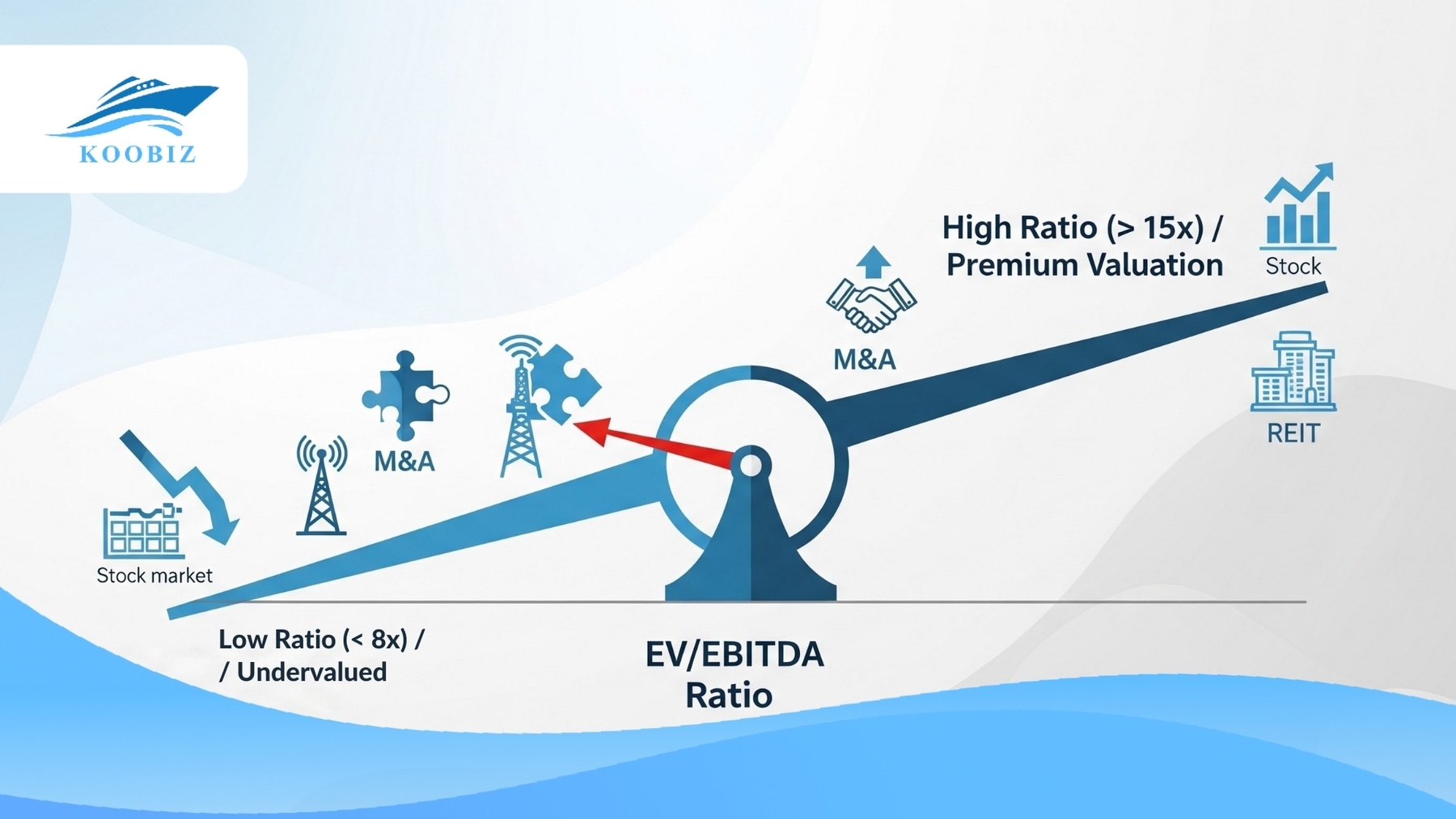
    Disclaimer: Guidelines are based on IRAS rules as of early 2026. Tax regulations can change; always check iras.gov.sg or consult a professional for the latest updates.

  • Is Dividend Income Taxable in Singapore? A Corporate Guide to Tax-Exempt & One-Tier Rules

    Is Dividend Income Taxable in Singapore? A Corporate Guide to Tax-Exempt & One-Tier Rules

    [SUMMARIES]

    General Rule: Dividend income paid by Singapore-resident companies is tax-exempt for shareholders under the One-Tier System.

    Foreign Dividends: Foreign-sourced dividends remitted to Singapore are taxable unless they meet the three conditions of the Foreign-Sourced Income Exemption (FSIE) scheme.

    Compliance: Even tax-exempt dividends must be declared in Form C or Form C-S for administrative purposes.

    No Withholding Tax: Singapore does not levy withholding tax on dividend payments to non-residents.

    Exceptions: Dividends from co-operatives or certain REIT distributions may be subject to different tax treatments.

    [/SUMMARIES]

    Business owners often ask Koobiz: “Is dividend income taxable in Singapore?” The short answer is generally No, due to Singapore’s One-Tier Corporate Tax System, under which dividends paid by Singapore companies are generally tax-exempt in the hands of shareholders. That said, not all dividends are treated equally. While locally sourced dividends enjoy automatic exemption, foreign-sourced dividends are subject to specific remittance and exemption rules. This guide breaks down how dividend taxation works in practice, outlines the FSIE exemption framework, and highlights the key compliance steps your company must follow to remain fully aligned with IRAS requirements.

    Is Dividend Income Taxable in Singapore for Companies?

    Singapore One-Tier Tax System Diagram
    Singapore One-Tier Tax System Diagram

    No. Generally, dividend income is tax-exempt for companies in Singapore, provided it is paid by a local tax-resident company under the One-Tier Corporate Tax System.

    Key details:

    • Final Tax: The tax paid by the paying company on its profits is considered the final tax.
    • No Double Taxation: Shareholders (companies) are exempt from paying further tax on the dividends received.
    • Universal Application: This exemption applies to all shareholders, regardless of whether they are Singapore tax residents or non-residents.
    • Exception: This rule applies to local dividends. Foreign-sourced dividends remitted to Singapore may be taxable unless specific exemptions (FSIE) apply.

    What is the One-Tier Corporate Tax System?

    Singapore One-Tier Corporate Tax System
    Singapore One-Tier Corporate Tax System

    Since January 1, 2003, Singapore has utilized the One-Tier Corporate Tax System. Under this regime, the tax payable on a company’s chargeable income (currently capped at 17%) is the final tax.

    As a result, dividends distributed to shareholders are not taxed again, significantly simplifying compliance and lowering overall administrative burdens.

    Core Attributes of the One-Tier System:

    • Final Tax: Corporate tax paid by the company is final; no further tax is levied on the distribution.
    • No Tax Credits: Shareholders do not claim tax credits attached to dividends.
    • Unlimited Distribution: Companies can pay dividends out of all accounting profits.

    Tax Treatment of Local vs. Foreign-Sourced Dividends

    The tax treatment differs significantly depending on the source of the dividend. Local dividends are automatically exempt, whereas foreign dividends require specific conditions to be met.

    Quick Comparison: Local vs. Foreign Dividends

    Feature Local Dividends Foreign-Sourced Dividends
    Source Paid by a Singapore Tax Resident Company Paid by a Non-Singapore Resident Company
    Tax Status Tax-Exempt Prima facie Taxable (when remitted to Singapore)
    Key Condition None (Automatic under One-Tier System) Must meet FSIE conditions (see below) to be exempt
    Double Taxation Avoided via One-Tier System Avoided via FSIE or Unilateral Tax Credit (UTC)

    To prevent double taxation on foreign income, companies must utilize the Foreign-Sourced Income Exemption (FSIE) scheme.

    Requirements for Foreign-Sourced Income Exemption (FSIE)

    3 mandatory conditions for Foreign-Sourced Income Exemption (FSIE)
    3 mandatory conditions for Foreign-Sourced Income Exemption (FSIE)

    To qualify for tax exemption under Section 13(8) of the Income Tax Act, foreign-sourced dividends must meet three mandatory conditions. If even one condition is missing, the dividend is taxable upon remittance.

    The FSIE Checklist:

    “Subject to Tax” Condition

    The foreign-sourced dividend must have been taxed in the overseas jurisdiction. This can take the form of corporate income tax imposed on the underlying profits or withholding tax levied on the dividend distribution itself.

    Note: If tax was not paid due to a substantive business incentive in the foreign country, you may apply to IRAS for a waiver.

    “Headline Tax Rate” Condition

    The country from which the dividend originates must have a headline (statutory) corporate income tax rate of at least 15% at the point the income is received in Singapore.

    Clarification: This refers to the statutory tax rate, not the effective rate actually paid.

    “Beneficial to Resident” Condition

    The Comptroller of Income Tax must be satisfied that granting the exemption is beneficial to the Singapore tax resident company.

    Context: Exemption is generally beneficial unless the company is in a loss position and prefers to pay tax to utilize foreign tax credits.

    Case Studies: Applying the Rules in Practice

    Visualizing these rules helps clarify the distinction between taxable and tax-exempt scenarios. Here are three typical examples for Koobiz Holdings Pte Ltd (a Singapore tax resident company).

    Scenario A: Local Dividend (Tax-Exempt)

    • Source: Koobiz Holdings receives dividends from a local subsidiary, SingTech Pte Ltd.
    • Outcome: Not Taxable.
    • Reason: Under the One-Tier System, dividends from Singapore resident companies are strictly tax-exempt.

    Scenario B: Qualified Foreign Dividend (Tax-Exempt)

    • Source: Dividends received from a subsidiary in Japan (Headline Tax Rate ~23%). The Japanese subsidiary paid corporate tax on its earnings.
    • Outcome: Not Taxable.
    • Reason: It meets FSIE conditions:
      1. Subject to tax in Japan? Yes.
      2. Headline rate ≥ 15%? Yes (23%).
      3. Beneficial to Singapore resident? Yes.

    Scenario C: Non-Qualified Foreign Dividend (Taxable)

    • Source: Dividends received from a subsidiary in the Cayman Islands (Headline Tax Rate 0%).
    • Outcome: Taxable at 17%.
    • Reason: It fails FSIE conditions. The headline tax rate is below 15%, and no foreign tax was paid. Koobiz Holdings must declare this as taxable income in Form C-S.

    While local dividends are fully exempt and foreign-sourced dividends may qualify for exemption under the FSIE regime, real-world cases are often less straightforward. In practice, Koobiz advisors frequently deal with situations where the usual rules break down due to jurisdictional nuances, incentive regimes, or structural complexities. The next section therefore explores key exceptions, proper reporting treatment, and lesser-known attributes within Singapore’s tax framework that businesses should be aware of.

    Exceptions: When is Dividend Income Taxable?

    3 Scenarios where dividends are taxable
    3 Scenarios where dividends are taxable

    While exemption is the norm, business owners must be aware of specific scenarios where tax liability arises.

    Alert: 3 Scenarios Where Dividends Are Taxable

    1. Dividends from Co-operatives:

    Co-operatives often receive entity-level tax concessions, so their dividends do not fall under the One-Tier system and are generally taxable for the shareholder.

    2. Foreign Dividends Failing FSIE:

    If dividends come from a jurisdiction with a headline tax rate below 15% (e.g., certain tax havens) or where no tax was paid, they are fully taxable. In this case, claim Unilateral Tax Credit (UTC) to mitigate double tax.

    3. Certain REIT Distributions:

    Although many REIT distributions are exempt for individual investors, distributions derived from taxable income are usually taxable for corporate unitholders unless specific tax transparency treatment applies. For foreign investors, such distributions may also be subject to a final withholding tax, commonly at a rate of around 10%.

    How to Report Dividend Income in Tax Returns (Form C/C-S)

    Even though dividend income is often tax-exempt, it must be reported in your annual tax return for reconciliation purposes.

    Step-by-Step Reporting Guide:

    Step 1: Identify

    Separate “Singapore Dividends” from “Foreign Dividends.”

    Step 2: Verify

    Confirm local dividends are One-Tier and foreign dividends meet FSIE.

    Step 3: File

    Form C-S / C-S (Lite): Enter the total amount in the “Tax-Exempt Income” declaration section.

    Form C: List dividends under “Non-Taxable/Exempt Income” in your tax computation to deduct them from net profit.

    Step 4: Retain

    Keep dividend vouchers and proof of foreign tax paid for 5 years.

    💡 Koobiz Pro Tip: Accurately categorizing this income prevents unnecessary queries from IRAS. Ensure your financial statements clearly distinguish between “tax-exempt dividends” and other income sources before filing.

    Withholding Tax on Dividends: Does it Apply?

    No. Singapore does not impose withholding tax on dividends paid to non-resident shareholders.

    This zero-tax policy significantly boosts ROI for international investors compared to other jurisdictions.

    Global Comparison:

    • 🇸🇬 Singapore: 0%
    • 🇺🇸 USA: 30% (Standard rate)
    • 🇮🇩 Indonesia: 20% (Standard rate)

    This eliminates complex treaty relief applications for dividends, ensuring smooth cross-border cash flows.

    Frequently Asked Questions (FAQs)

    1. Are dividends from US stocks taxable in Singapore?

    Generally, yes, if the income is remitted to Singapore. However, you can often claim a foreign tax credit for the 30% withholding tax paid to the IRS. For Singapore companies, if the US corporate tax rate (federal + state) meets the 15% headline tax condition and the “subject to tax” rule is met, the dividend might qualify for exemption under FSIE, though US LLCs and C-Corps have different nuances.

    2. Can my company declare dividends if we made a loss this year?

    No. Under Section 403 of the Companies Act, dividends can only be paid out of available profits. Paying dividends when a company is insolvent or has no retained earnings is an offence and can lead to personal liability for directors.

    3. Are dividends received by individuals taxable in Singapore?

    For individuals, dividends paid by Singapore-resident companies are strictly tax-exempt. Foreign dividends received by resident individuals in Singapore are also generally tax-exempt, unless they are received through a partnership in Singapore.

    4. Does the “Zero Withholding Tax” apply to foreign shareholders?

    Yes. Singapore operates a zero-withholding-tax policy on dividends. Regardless of whether the shareholder is a foreign company, an overseas individual, or a trust based in another jurisdiction, dividends declared by a Singapore company are paid out in full, with no tax withheld at source.

    Conclusion

    Overall, Singapore offers one of the most business-friendly dividend tax frameworks globally. Dividends from Singapore-resident companies are fully tax-exempt under the One-Tier Corporate Tax System, while foreign-sourced dividends can often be brought into Singapore tax-free if they qualify under the FSIE rules. However, the nuances of compliance—reporting correctly on Form C-S and ensuring foreign dividends meet the 15% headline tax rate test—require diligence.

    At Koobiz, we specialize in helping businesses navigate the Singapore corporate landscape. Whether you need assistance with incorporating a Singapore company, opening a corporate bank account, or managing your tax and accounting compliance, our team of experts is ready to assist. We ensure your financial structures are optimized so you can focus on growth while we handle the regulatory complexities.

    Visit Koobiz.com today to schedule a consultation regarding your dividend tax planning.

  • What is ECI? Filing Requirements and Waivers for Singapore SMEs in 2026

    What is ECI? Filing Requirements and Waivers for Singapore SMEs in 2026

    [SUMMARIES]

    Mandatory Estimate: ECI stands for Estimated Chargeable Income, a preliminary report of a company’s taxable profit required by IRAS within 3 months of the financial year-end.

    Waiver Eligibility: Companies are exempt from filing if their annual revenue is S$5 million or less AND their ECI is NIL.

    Cash Flow Benefit: Early e-filers can access up to 10 interest-free GIRO installments to settle their tax liabilities.

    Contextual Variety: While primarily a tax term in Singapore, ECI also refers to Early Childhood Intervention in healthcare and Electronic Commerce Indicators in digital payments.

    [/SUMMARIES]

    Understanding ECI is essential for staying compliant with Singapore tax regulations. At Koobiz, we support SMEs in navigating IRAS requirements accurately, helping them stay compliant and avoid unnecessary penalties. This article breaks down what ECI means for tax purposes, who is required to file, and how early submission can improve cash flow. To avoid confusion, we also clarify how tax ECI differs from other common uses of the term, such as Early Childhood Intervention and Electronic Commerce Indicators.

    What is Estimated Chargeable Income (ECI)?

    ECI: Early estimated income submitted to IRAS
    ECI: Early estimated income submitted to IRAS

    Estimated Chargeable Income (ECI) is essentially an early snapshot of a company’s taxable income for a particular Year of Assessment (YA) that must be submitted to IRAS. In simple terms, it reflects the company’s taxable profit—after deducting allowable expenses—before the final corporate tax return (Form C-S, Form C-S (Lite), or Form C) is filed.

    The purpose of this requirement is to give the Singapore authorities an early view of a company’s earnings. At Koobiz, our experts often stress that although ECI is only an estimate, it should be prepared using the most up-to-date and accurate management accounts available, so as to minimize discrepancies when the final tax assessment is completed.

    Why IRAS Mandates ECI Filing for Singapore Companies

    The main purpose of mandatory ECI filing is to support efficient tax collection and give the authorities a timely picture of the overall economic performance across different industries. By asking companies to submit an estimate of their earnings within a short timeframe, IRAS is better able to forecast tax revenue and offer installment payment arrangements that help ease short-term cash flow pressure for businesses.

    Beyond revenue planning, this requirement also encourages companies to keep their management accounts up to date throughout the year. In practice, jurisdictions that adopt early income estimation systems tend to achieve higher levels of on-time tax compliance, and IRAS leverages this information to monitor and analyse sector-specific economic trends.

    ECI vs. Actual Taxable Income: Key Differences

    It is important to clearly differentiate ECI from the actual taxable income declared later in the year. ECI is a forward-looking estimate prepared using provisional figures, while actual taxable income is backward-looking and only finalised after the financial year has been fully closed and, where applicable, audited.

    Feature ECI (Estimated Chargeable Income) Actual Taxable Income
    Basis Forward-looking estimate (provisional figures) Backward-looking final figure (audited/finalized)
    Deadline Within 3 months of Financial Year End (FYE) By Nov 30th of the Assessment Year
    Form Type ECI Filing Form C-S, Form C-S (Lite), or Form C
    Adjustment Subject to revision if actuals differ Final declaration (unless amended later)

    If there is any variance between the ECI submitted and the figures in the final tax return, IRAS will address this through the Notice of Assessment (NOA). Where the ECI exceeds the final taxable income, the excess tax paid will be refunded; conversely, if the ECI is lower, the company will be required to make an additional tax payment.

    Which company types need to file ECI?

    In general, all companies in Singapore – including newly incorporated startups and foreign entities with income sourced locally are required to file Estimated Chargeable Income (ECI), unless they qualify for specific administrative concessions set out by IRAS. The obligation is firm: eligible companies must submit an ECI return, even if it is a “NIL” return, unless they fully meet the prescribed revenue and income thresholds for a waiver.

    The S$5 million revenue waiver Criteria

    Under the current framework, a company is exempt from filing ECI for a specific Year of Assessment only when both of the following conditions are met. You can view this as a straightforward checklist:

    • Condition 1: Annual revenue does not exceed S$5 million; and
    • Condition 2: The ECI is strictly NIL (S$0).

    Only when both conditions are satisfied can the ECI filing be waived.

    It is a common misconception that making no profit automatically removes the filing obligation. For example, a company with S$6 million in revenue but a loss of S$500,000 is still required to submit a “NIL” ECI.

    Specific Entities Not Required to File ECI

    Specific Entities Not Required to File ECI
    Specific Entities Not Required to File ECI

    Beyond the revenue-based waiver, certain entities are granted administrative concessions by IRAS. These include:

    • Foreign Ship Owners/Charterers: Specifically those who have submitted a “Shipping Return.”
    • Designated Unit Trusts: Entities that meet specific tax transparency requirements.
    • Real Estate Investment Trusts (REITs): Provided they meet the distribution conditions for tax transparency.

    How to calculate and file your ECI in 2026

    There are three main ways to determine your ECI: preparing it based on management accounts, using accounting software that integrates with IRAS, or engaging a professional advisor. For most SMEs, this typically involves a structured review of the Profit and Loss statement, with adjustments made for expenses that are not tax-deductible.

    Digital Tax Filing Tools

    IRAS continues to enhance the digital filing experience to improve accuracy and convenience.

    • Seamless Integration: Many approved accounting software platforms now allow you to transmit ECI data directly to IRAS, reducing manual entry errors.
    • Pre-Filling: The myTax Portal may pre-fill certain data fields based on prior records or other government sources to streamline the submission process.
    • Digital Reminders: Companies subscribed to digital notices receive timely SMS or email alerts when their filing window opens, ensuring deadlines are not missed.

    Seamless E-Filing: A Step-by-Step Walkthrough

    Step-by-Step Guide for Electronic Filing
    Step-by-Step Guide for Electronic Filing

    Navigating the IRAS system is efficient when you know the correct path. Follow this streamlined guide to ensure your ECI is filed correctly via the myTax Portal.

    Before You Start:

    • Ensure you have your Singpass ready.
    • Verify your Corppass is authorized as an “Approver” or “Preparer” for Corporate Tax.
    • Have your Management Accounts (Revenue & Expense figures) on hand.

    Step 1: Authenticate Access

    Begin by securely logging into the myTax Portal using your corporate Singpass.

    Step 2: Navigate to Services

    Once on the dashboard, locate the menu bar. Select “Corporate Tax” and subsequently click on “File ECI” from the drop-down options to initiate the return.

    Step 3: Input Financial Data

    Proceed to enter your company’s Gross Revenue and the Estimated Chargeable Income figures derived from your management accounts.

    • Guidance: If your revenue varies significantly from the previous year, be prepared to provide a brief explanation in the optional remarks field.

    Step 4: Verify & Declare

    Review the auto-populated details carefully. Confirm your eligibility for any tax exemptions, such as the Tax Exemption Scheme for New Start-Up Companies, and declare that the information provided is accurate.

    Step 5: Final Submission

    Click the “Submit” button to finalize the process.

    • Crucial Step: Wait for the confirmation screen and download the Acknowledgment Page immediately. This document serves as your official proof of timely submission.

    Benefits of Early ECI Filing: Installment Plans

    Filing ECI early offers a clear cash flow advantage. To encourage timely submission, IRAS provides a tiered instalment payment scheme – the sooner you file after your Financial Year End (FYE), the greater the number of instalments you may qualify for.

    10-Month vs. 6-Month GIRO Installment Tables

    The number of installments is determined by the date of filing.

    Filing Date (After FYE) Number of Installments (GIRO)
    Within 1 Month 10 Installments
    Within 2 Months 8 Installments
    Within 3 Months 6 Installments
    After 3 Months 0 (Full payment required)

    Alternative Meanings of ECI: Healthcare, Fintech, and Economics

    Alternative Meanings of ECI
    Alternative Meanings of ECI

    The term “ECI” is frequently used in other high-impact industries.

    Early Childhood Intervention (ECI) in Singapore

    In the healthcare context, ECI stands for Early Childhood Intervention, which focuses on providing specialised support to children with developmental delays. In Singapore, the government, through ECDA, continues to support programmes such as EIPIC (Early Intervention Programme for Infants & Children), enabling children with developmental needs to learn and develop alongside their peers.

    Electronic Commerce Indicator (ECI) for Online Payments

    In fintech, ECI stands for Electronic Commerce Indicator, a value used in 3D Secure transactions to indicate the level of security used.

    • ECI 05: Fully Authenticated Transaction.
    • ECI 06: Attempted Authentication (Issuer not participating).
    • ECI 07: Non-Authenticated Transaction (Standard SSL).

    Note: Transactions flagged as ECI 07 (non-authenticated) typically carry a higher risk of fraud and liability chargebacks for merchants.

    The Economic Complexity Index (ECI)

    In macroeconomics, the Economic Complexity Index measures a country’s industrial “sophistication” and knowledge intensity. Singapore consistently ranks highly on this index due to its diverse and complex export capabilities. Researchers are also increasingly discussing “Green ECI” as a measure of a country’s ability to export green technologies.

    About Koobiz Services

    Navigating the complexities of what is ECI doesn’t have to be a solo journey. Koobiz (koobiz.com) is a premier professional services provider.

    • Company Formation: Seamlessly register your Singapore company.
    • Tax & Accounting: We handle your ECI and Form C-S/C filings with 100% accuracy.
    • Banking: Expert advisory on corporate account openings.

    Frequently Asked Questions

    1. What happens if I miss the 3-month ECI filing deadline?

    IRAS may issue a “Notice of Assessment” based on their estimation. You lose GIRO installment privileges and may face late filing penalties.

    2. Can I change my ECI after I have filed it?

    Yes, you can submit a revised ECI via the myTax Portal.

    3. Does a dormant company need to file ECI?

    Only if they haven’t applied for a “Waiver of Income Tax Return Submission.”

    4. Is revenue for ECI the same as Net Profit?

    No. Revenue is the gross income from sales; ECI is the estimated taxable profit after allowable expenses.

    5. Is the CIT rebate included in my ECI calculation?

    No. File based on your gross tax liability. IRAS will automatically compute and apply any applicable Corporate Income Tax (CIT) rebate (e.g., for YA 2025) in the final tax bill.

  • Claim Your 2026 Working Mother Relief: Guide to WMCR Amounts, Eligibility & Tax CapsQuick Summary

    Claim Your 2026 Working Mother Relief: Guide to WMCR Amounts, Eligibility & Tax CapsQuick Summary

    [SUMMARIES]

    Two-Tier System: Children born before 2024 qualify for percentage-based relief; those born on or after Jan 1, 2024, receive fixed-dollar relief.

    2026 Relief Amounts: Fixed rates for new children are $8,000 (1st), $10,000 (2nd), and $12,000 (3rd+).

    Critical Limits: Combined QCR/HCR and WMCR are capped at $50,000 per child, while the total personal relief cap remains $80,000.

    Eligibility: Available to working mothers who are married, divorced, or widowed with Singapore citizen children.

    Koobiz Support: Koobiz provides expert tax advisory to help working mothers navigate complex filing requirements in Singapore.

    [/SUMMARIES]

    The Working Mother’s Child Relief (WMCR) rewards women who stay in the workforce. As we approach the 2026 Year of Assessment (YA), the transition from percentage-based to fixed-dollar claims—originally announced in Budget 2024 and effective from YA 2025—is now fully integrated. Feeling unsure about how tax relief works for working mothers? You’re not alone. This guide explains the Working Mother’s Child Relief (WMCR) in simple terms. Whether you’re planning for your first child or have several, we’ll break down the 2026 rules—what you can claim, who is eligible, and how to get the most out of this benefit with help from Koobiz.

    What is the Working Mother’s Child Relief (WMCR) in 2026?

    Think of WMCR as a thank-you from the tax system. It’s a special deduction for working mums with Singaporean children. This deduction directly lowers the amount of your salary that gets taxed, which means you pay less tax overall. It’s designed to support mothers who balance a career and family.

    Eligibility Criteria: Who Can Claim in YA 2026?

    To qualify for Working Mother’s Child Relief (WMCR), you must meet these conditions:

    • Mother’s Status: You must be a working mother who is married, divorced, or widowed (single, never-married mothers do not qualify).
    • Child’s Citizenship: Your child must be a Singapore Citizen as of 31 December 2025.
      • Note: If your child was born before 1 Jan 2024 but only became a citizen on or after 1 Jan 2024, they qualify for the Fixed Dollar relief, not the percentage system.
    • Child’s Age & Education: Your child must be under 16 years old in 2025. If the child is 16 or older, they must be studying full-time at an approved educational institution.
    • Child’s Income: Your child’s annual income in 2025 must not exceed $8,000.
      • Note: This income limit excludes scholarships, bursaries, and internships compulsory for their course.

    Understanding the “Earned Income” Requirement

    A key element of the working mother relief is the “earned income” clause, which requires the mother to have earned taxable income from work, a trade, a business, or a profession in the previous year. Passive earnings—such as stock dividends, rental income, or interest from savings—do not count toward WMCR eligibility. Koobiz often tells clients that “earned income” is calculated after allowable expenses but before applying any personal reliefs.

    For example, if a mother is a freelancer or runs a business, the qualifying amount is her net trade income. This distinction matters because if a mother’s only income comes from investments, she cannot claim WMCR even if all other family criteria are met. More precisely, the “earned income” must be positive; if the business incurs a loss in that year, the relief cannot be used.

    How Much Can You Claim? (Fixed vs. Percentage Rates)

    In 2026, there are two primary methods for calculating the working mother relief: a percentage-based system for children born before 2024 and a fixed-dollar system for children born on or after January 1, 2024. This two-track design aims to create a more progressive tax framework by delivering larger benefits to lower- and middle-income families while limiting the relief available to ultra-high earners.

    Because the policy shift, parents with multiple children need to identify which child falls into which category, since the resulting tax savings can differ markedly between the two systems.

    For Children Born/Adopted Before 1 Jan 2024 (Percentage System)

    For children who were born or adopted prior to the 2024 pivot (and were citizens at birth or before 2024), the “Old WMCR” rules apply. In this system, the amount of working mother relief you can claim is a direct percentage of your earned income based on the child’s order:

    • 1st Child: 15% of the mother’s earned income.
    • 2nd Child: 20% of the mother’s earned income.
    • 3rd Child and beyond: 25% of the mother’s earned income.
    • Cap Note: The total WMCR claim across all children is capped at 100% of the mother’s earned income.

    For instance, a mother earning $100,000 with a child born in 2022 would claim $15,000 in relief. This percentage-based approach remains quite advantageous for mothers in the upper-middle-income range, but it is still limited by an $80,000 total personal relief cap and a $50,000 cap per child.

    For Children Born/Adopted On or After 1 Jan 2024 (Fixed Dollar System)

    The biggest reform starting in YA 2025 affects children born on or after January 1, 2024 (or those who become citizens after that date). Under the new regime, the working mother relief is a fixed dollar amount, independent of the mother’s income. This means that two mothers with the same eligible child—one earning $5,000 per month and the other $20,000 per month—would receive the same tax deduction for that child.

    Child Order Relief Amount (Fixed)
    1st Child $8,000
    2nd Child $10,000
    3rd Child & Beyond $12,000

    Specifically, this change was designed to be more equitable. For a first child born in 2025, the mother will claim a flat $8,000 in her 2026 tax filing. To begin the comparison, a mother earning $40,000 a year actually benefits more from the fixed $8,000 than she would have from the 15% ($6,000) under the old system.

    Step-by-Step: How to Claim WMCR on myTax Portal

    Claiming is done online through the IRAS myTax portal. Follow this simple process to ensure your working mother relief is accurately reflected in your 2026 tax bill:

    1. Log in to myTax PortalUse your Singpass to access the myTax portal.
    2. Navigate to “Deductions & Reliefs”Go to the section for “Deductions, Reliefs and Rebates.” If you are a repeat claimant, your WMCR claims from the previous year should be pre-filled.
    3. Update or Verify Child Details
      • First-Time Claimants: If you had a child in late 2025, verify their details are listed. If not, manually enter their name, ID, and Date of Birth.
      • Repeat Claimants: Ensure all eligible children are still listed. The system will automatically apply the new Fixed Dollar rates for children born on or after 1 Jan 2024.
    4. Allocate Qualifying Child Relief (QCR) or Handicapped Child Relief (HCR)Decide how to split the relief with your spouse.
      • QCR: $4,000 per child.
      • HCR: $7,500 per child (if the child has a disability).Use the portal’s “Relief Checker” to see if it is better for the higher earner to claim the QCR/HCR or to share it. Note that WMCR is exclusive to the mother and cannot be transferred.
    5. Review Caps and CalculationsBefore submitting, check two critical limits:
      • Per-Child Cap: Ensure QCR/HCR + WMCR does not exceed $50,000 per child.
      • Total Relief Cap: Ensure your total personal reliefs do not exceed $80,000.
    6. Submit Your DeclarationOnce verified, submit your tax filing. Keep a copy of the acknowledgment for your records.

    Common Filing Errors to Avoid

    • Income Thresholds: Ensure your child did not earn more than $8,000 in 2025 (excluding scholarships).
    • Double Claims: Check that you are not double-claiming relief if you changed employers; “earned income” is the total from all sources.

    The $80,000 Cap: Is Your Tax Relief Being “Squeezed”?

    Yes, the working mother relief is often constrained by the $80,000 personal relief cap, especially for high-earning mothers or those with several children. This cap sets the maximum total of all personal reliefs—such as CPF relief, Earned Income Relief, Life Insurance Relief, and WMCR—that a person may claim in a single Year of Assessment.

    How to “Stack” WMCR with QCR/HCR and GCR

    To start the sequence, you first apply the Qualifying Child Relief (QCR) or Handicapped Child Relief (HCR). After that, you add the working mother relief (WMCR) on top. If you are a working mother whose parents or grandparents help care for your children, you may also claim the Grandparent Caregiver Relief (GCR). In short, the stacking order is: QCR/HCR first, WMCR next, and GCR last (where eligible).

    1. QCR or HCR: $4,000 (QCR) or $7,500 (Handicapped Child Relief).
    2. WMCR: $8,000 to $12,000 (Fixed) or % based.
    3. GCR: $3,000.
      • Requirement: Caregiver must be a non-working grandparent, parent, parent-in-law, or grandparent-in-law providing full-time care.
    4. CPF Relief: (Up to $20,400 for most employees).

    If the total of QCR (or HCR) plus WMCR and other personal reliefs reaches $80,000, any additional deductions are forfeited. Tax specialists at Koobiz typically advise that, in such scenarios, the husband should claim the full QCR to preserve the mother’s WMCR relief for her own use.

    Strategies for High-Earners

    For high-earning mothers, the 2024 shift to fixed-dollar WMCR amounts was effectively a government move to reduce “tax shielding” for those in the 22% or 24% tax brackets. In response, these mothers need to be more strategic with other deductions. For example, if WMCR plus CPF contributions already hit the $80,000 cap, making voluntary CPF top-ups or SRS (Supplementary Retirement Scheme) contributions offers no additional tax relief.

    Real-Life Scenarios: WMCR in Action

    To better understand how these rules affect your wallet, let’s look at two realistic examples comparing the percentage-based and fixed-dollar systems.

    Case Study A: The “Mixed System” Family

    Profile: Sarah earns $96,000 annually ($8,000/month). She has two Singapore Citizen children:

    • Lucas (Born 2021): 1st Child (Percentage System)
    • Chloe (Born 2025): 2nd Child (Fixed Dollar System)

    Her Relief Calculation:

    1. Lucas (15% of $96,000): $14,400
    2. Chloe (Fixed Rate for 2nd Child): $10,000
    3. Total WMCR Claim: $24,400

    Analysis: Sarah benefits from a hybrid approach: since Lucas was born before 2024, she retains the higher deduction percentage for him. For Chloe, she receives a flat $10,000 regardless of her income.

    Case Study B: The High Earner Hitting the Cap

    Profile: Linda earns $200,000 annually. She has one child born in 2025 (1st Child).

    Her Relief Calculation:

    • CPF Relief (Approx Max): $20,400
    • Earned Income Relief: $1,000
    • QCR: $4,000
    • WMCR (Fixed Rate for 1st Child): $8,000

    Total Reliefs: $33,400

    Analysis: Linda is well below the $80,000 cap and can claim her full relief amount. However, notice the difference: Under the old system, 15% of her $200,000 salary would have been a $30,000 deduction. The new fixed system ($8,000) significantly reduces her tax savings, which is the intended policy shift for higher income brackets.

    New for 2026: Shared Parental Leave and Your Career

    The April 2026 expansion of the Shared Parental Leave (SPL) scheme represents a major shift in the working mother relief landscape by allowing up to 10 weeks of leave to be shared between both parents. This initiative has indirect but significant implications for a mother’s taxable “earned income.”

    Impact of 10-Week SPL on Taxable Income

    If a mother takes Government-Paid Parental Leave (GPPL) funding, that income is still treated as part of her earned income for tax purposes. More importantly, if she shares 10 weeks of leave with the father, her total time away from work decreases, which could allow her to earn more performance-based bonuses or commissions. This increase in earned income would raise the base used for the percentage-based WMCR (for older children).

    About Koobiz Service

    Singapore’s tax system—especially with the 2026 updates—can be overwhelming for busy working mothers and business owners. Our mission is to provide seamless, professional support to help you maximize your financial potential.

    Our core services include:

    • Company Formation: Expert guidance on setting up your business in Singapore.
    • Tax & Accounting: Specialized tax planning, including optimization of working mother relief.
    • Audit Services: Comprehensive audit solutions to ensure regulatory compliance.

    Visit us at koobiz.com to schedule a consultation with our tax specialists today.
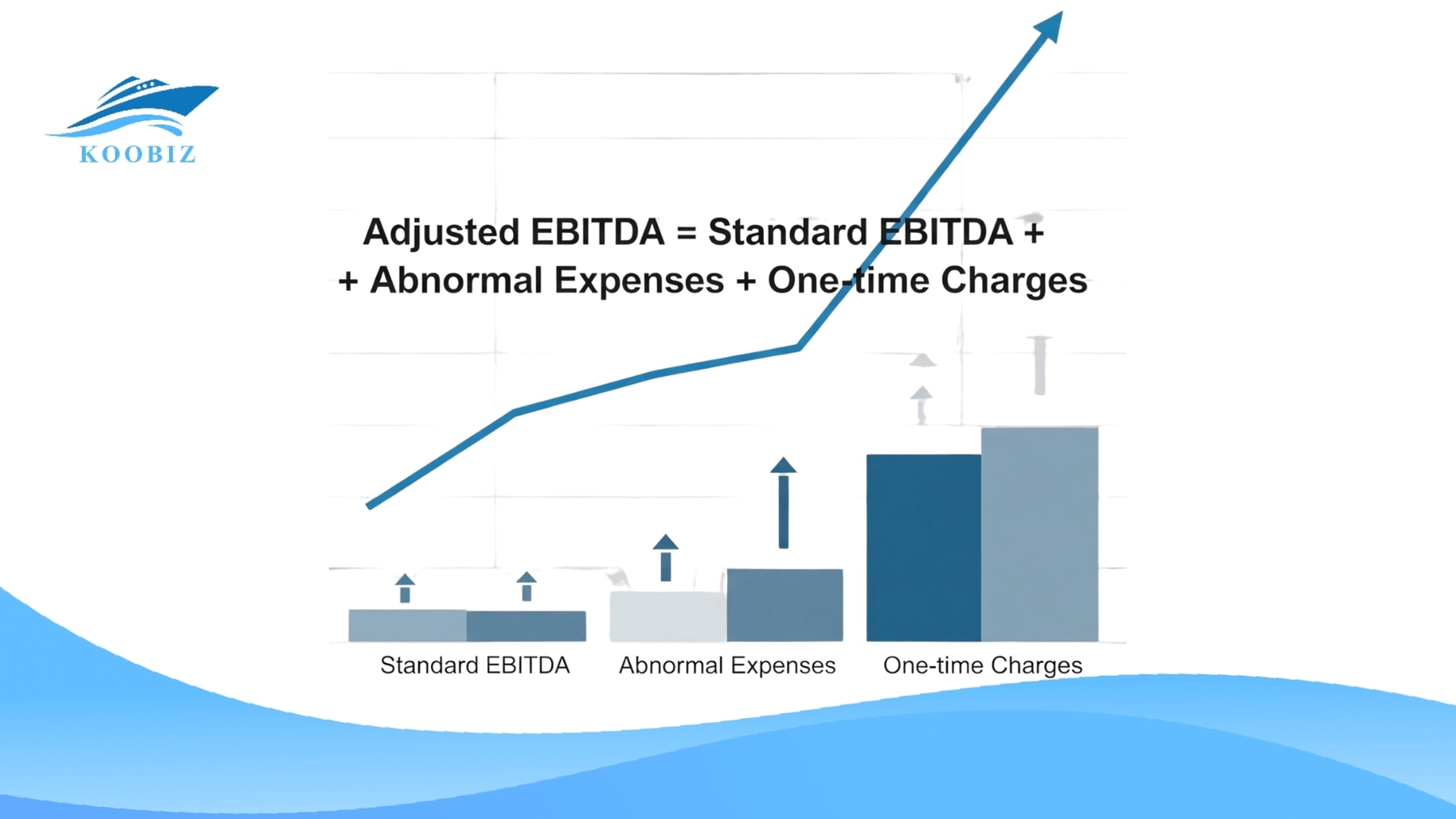
    Frequently Asked Questions

    1. Can I claim WMCR if my child was born overseas?
    Yes, provided the child is a Singapore Citizen. If the child was not a citizen at birth, they must have obtained citizenship by December 31, 2025, to qualify for the 2026 YA.

    2. Can I claim for a stillborn child?

    Yes, to determine the “child order” for subsequent children. While you cannot claim recurring relief, it moves your next living child up in order (e.g., from 1st to 2nd relief amount).

    3. Can a father claim WMCR if the mother is not working?

    No. WMCR is exclusive to working mothers. However, the father can claim the Qualifying Child Relief (QCR).