Tag: Xero vs QuickBooks

  • 7 Best Accounting Software Singapore (2025): Top IRAS-Compliant Picks for SMEs

    7 Best Accounting Software Singapore (2025): Top IRAS-Compliant Picks for SMEs

    [SUMMARIES]

    Top Contender: Xero remains the market leader for Singapore SMEs because of its ecosystem and reliable bank feeds; QuickBooks competes strongly with frequent promotions.

    Compliance matters: Pick software listed on IRAS’s ASR+ register and confirm the integration level you need (Corporate tax, GST returns, InvoiceNow).

    Funding Available: Eligible firms can apply for the Productivity Solutions Grant (PSG) to subsidize approved solutions.

    Beyond Bookkeeping: Leading platforms offer AI-driven insights and native e-invoicing (InvoiceNow/Peppol).

    Scalability Matters: Zoho Books is great for automation at low cost; NetSuite is better for enterprise/ERP needs.

    [/SUMMARIES]

    Managing finances in Singapore goes beyond spreadsheets. You need tools that automate routine work, ensure IRAS/ACRA compliance, and scale as your business grows. At Koobiz, we help businesses choose and implement the right accounting stack – from incorporation and chart-of-accounts setup to PSG applications and annual tax/audit support – so your accounting becomes a growth enabler rather than a manual burden.

    What defines the best accounting software for Singapore SMEs?

    The best accounting software for Singapore SMEs is a cloud-native ecosystem that automates core financial reporting while strictly adhering to local regulatory standards set by IRAS and ACRA.

    The ideal solution for 2025 is cloud-native, automates core financial reporting, and is locally compliant. Focus on three attributes: Automation, Local compliance, and Accessibility. Practical capabilities include automatic bank feeds (DBS, OCBC, UOB), real-time P&L reporting, secure access via CorpPass, InvoiceNow (Peppol) support, and smooth GST handling. Koobiz advises choosing software with these local integrations – otherwise you’ll pay in manual work and compliance risk.

    Is your software IRAS-compliant? Understanding ASR+

    Yes, ensuring your chosen platform is listed on the IRAS Accounting Software Register Plus (ASR+) is absolutely crucial to avoid tax filing errors and streamline your statutory obligations.

    Always verify that a product appears on IRAS’s Accounting Software Register Plus (ASR+). ASR+ level (often called tiers) indicates how tightly the software integrates with IRAS systems:

    • Tier 1 (Core): Supports corporate tax submissions (e.g., Form C-S) where applicable.
    • Tier 2 (GST-ready): Adds GST return submission (Forms F5/F8).
    • Tier 3 (Digital ecosystem): Includes InvoiceNow/Peppol e-invoicing along with tax/GST submission.

    Note: For the most current list of valid software, always refer directly to the IRAS ASR+ Listing.

    Choosing non-compliant software means you will have to manually extract data and key it into the IRAS tax portal, a process prone to human error. According to IRAS, businesses using ASR+ software reduce their tax filing time significantly, ensuring accuracy and peace of mind.

    The 7 best accounting platforms in Singapore (2025 Ranked List)

    There are 7 standout accounting platforms dominating the Singapore market in 2025: Xero, QuickBooks Online, Zoho Books, Oracle NetSuite, MYOB (ABSS), Odoo, and Aspire.

    Here is a detailed breakdown of each platform, including pros and cons, to help you find your perfect match.

    Xero
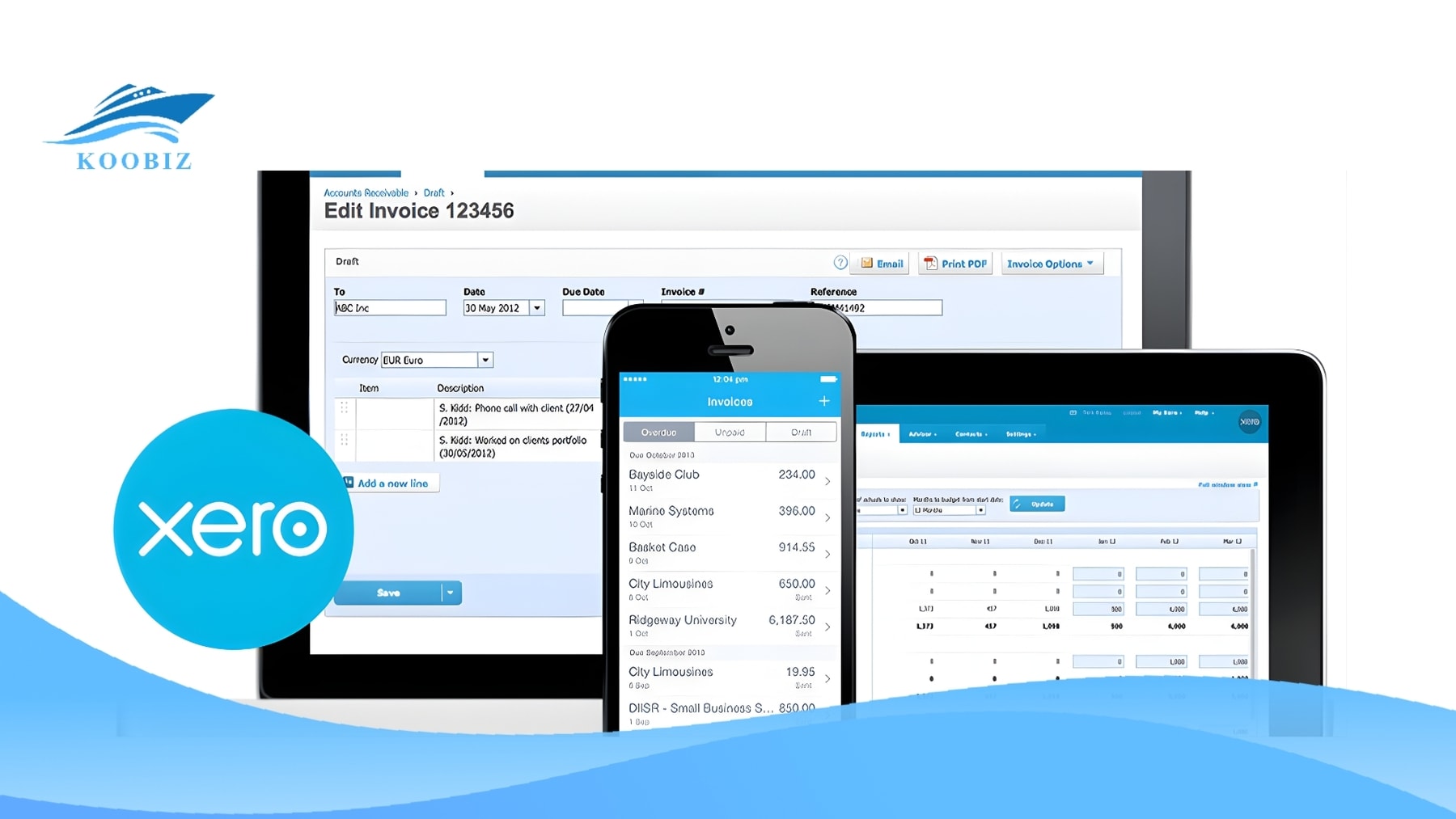
    Xero
    Xero

    Xero stands out as the premier cloud accounting solution for Singaporean SMEs, renowned for its user-friendly interface and massive ecosystem of over 1,000 third-party app integrations.

    • Core Strength: Its “beautiful business” dashboard provides a real-time view of cash flow. Xero excels in bank reconciliation, automatically matching transactions from major Singapore banks.
    • Compliance: Fully IRAS-compliant (ASR+ Tier 2/3 depending on add-ons).
    • Koobiz Verdict: Recommended for 90% of our clients due to scalability.

    Pros:

    • Extensive ecosystem (Integrates with almost everything).
    • Excellent bank feed stability in Singapore.
    • Strong support for accountants and bookkeepers.

    Cons:

    • Price: Generally higher monthly cost; multi-currency requires the “Premium” plan.
    • Limits: The entry-level “Starter” plan has very restrictive invoice limits.

    QuickBooks Online
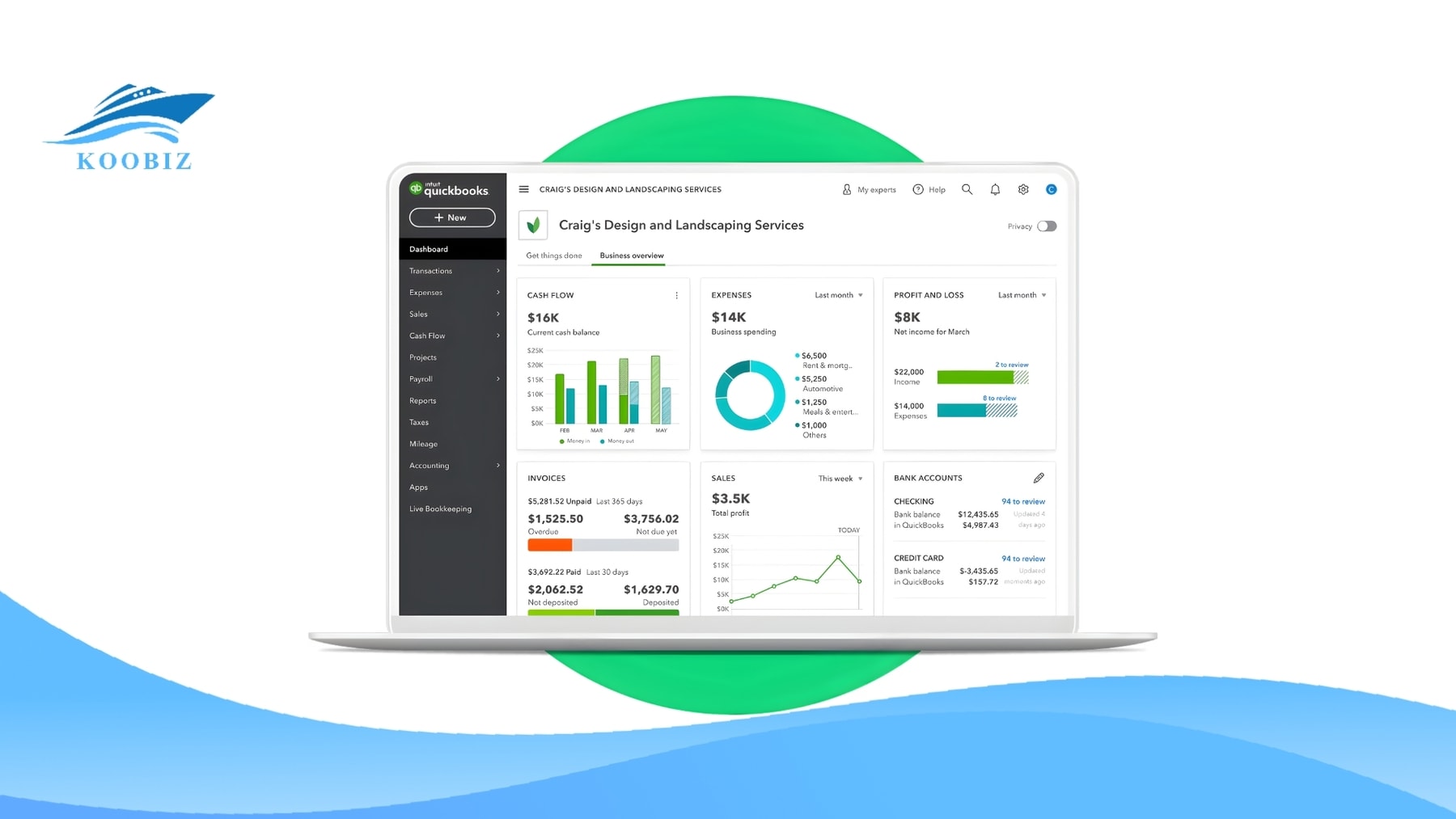
    QuickBooks Online
    QuickBooks Online

    QuickBooks Online is a global heavyweight offering an intuitive and affordable entry point, often featuring aggressive discounts (e.g. up to 50-70% depending on offers).

    • Core Strength: Unbeatable mobile app functionality and aggressive pricing promotions. Great for freelancers needing to snap receipts on the go.
    • Compliance: Fully localized for Singapore with GST tracking.

    Pros:

    • Promotions: Frequently offers significant discounts for new users.
    • Mobile App: Best-in-class mobile experience.
    • Ease of Use: Very intuitive for non-accountants.

    Cons:

    • Ecosystem: Smaller library of Asian-specific integrations compared to Xero.
    • Support: Direct local support can sometimes be harder to access than dedicated local partners.

    Zoho Books
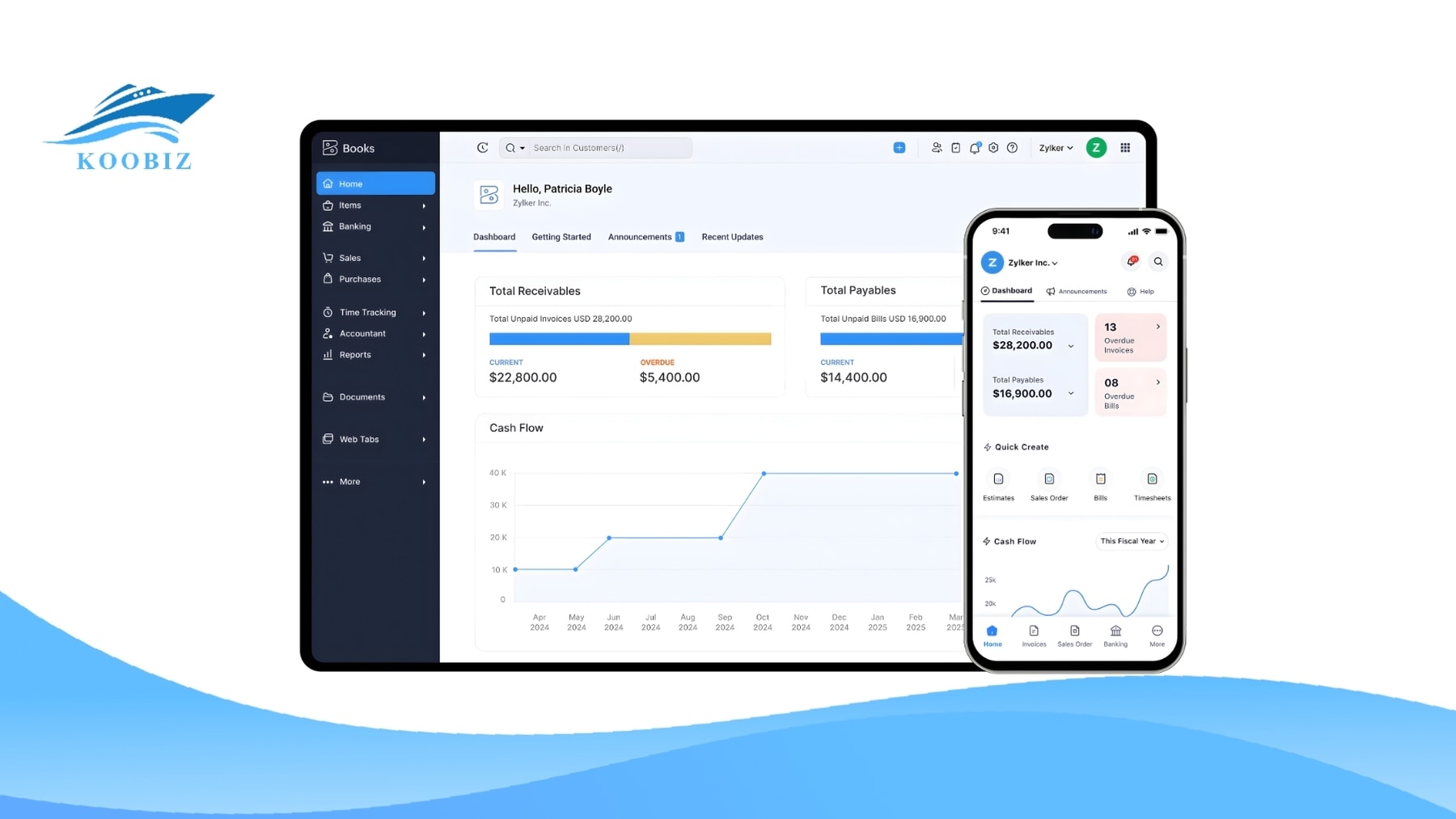
    Zoho Books
    Zoho Books

    Zoho Books is the best choice for businesses already invested in the Zoho ecosystem (CRM, Mail, Inventory), offering unparalleled automation.

    • Core Strength: Automation workflows. You can trigger tasks based on accounting events (e.g., auto-emailing clients upon payment).
    • Value: Highly competitive pricing, often bundling features that others charge extra for.

    Pros:

    • Automation: Powerful scripting and workflow rules.
    • Value: Feature-rich even at lower price points.
    • Ecosystem: Seamless if you use Zoho CRM.

    Cons:

    • Learning Curve: The interface can be overwhelming for users who just want simple bookkeeping.
    • Integrations: Integration with non-Zoho apps can be trickier than with Xero.

    Oracle NetSuite
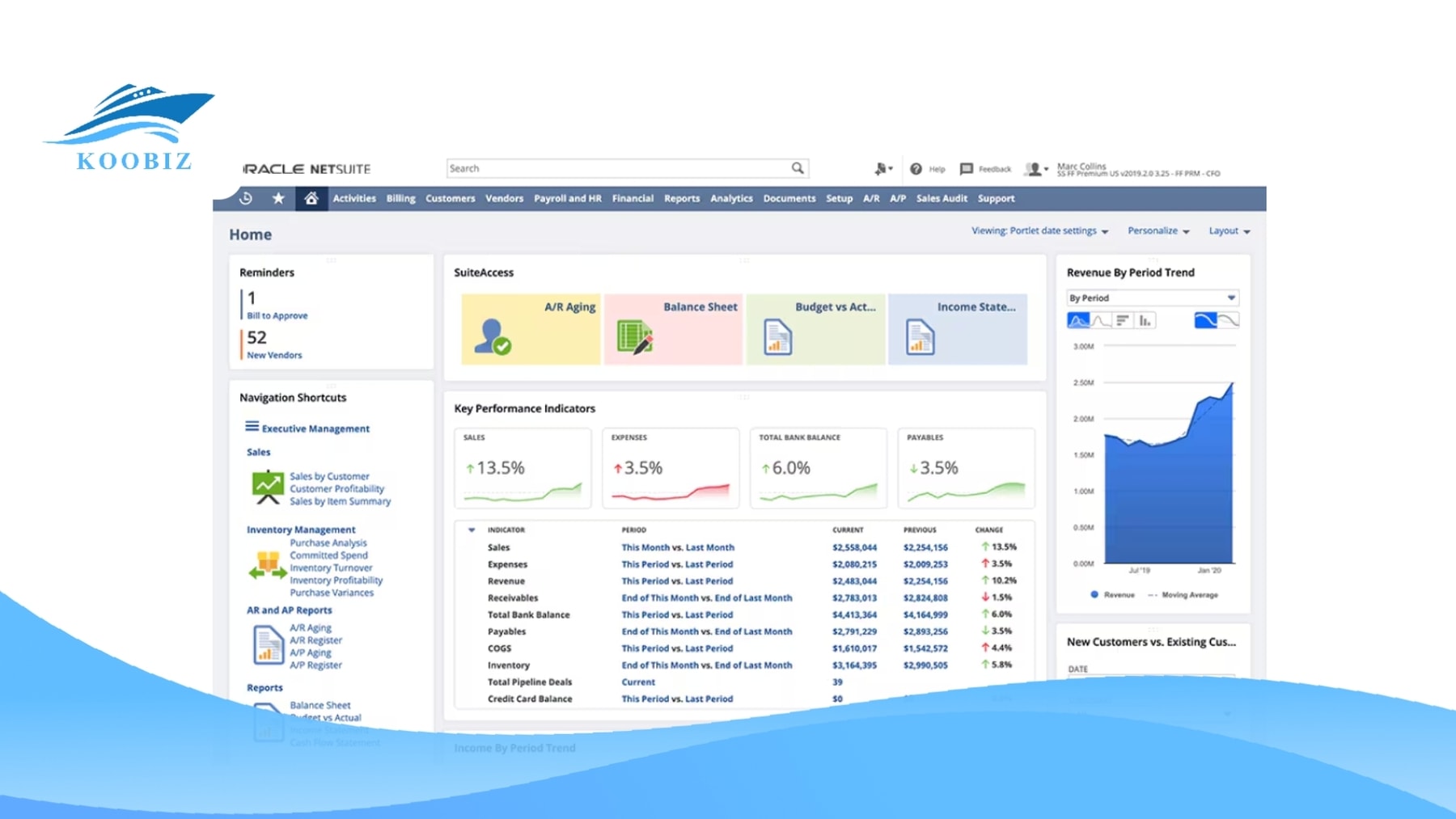
    Oracle NetSuite
    Oracle NetSuite

    Oracle NetSuite represents the gold standard for rapidly scaling startups and established enterprises requiring a full ERP system.

    • Core Strength: Unified database for Accounting, CRM, Inventory, and E-commerce. Handles multi-subsidiary consolidation effortlessly.
    • Target Audience: Mid-to-large sized companies.

    Pros:

    • Scalability: You will never outgrow it.
    • Depth: Handles complex supply chain and manufacturing needs.
    • Consolidation: Perfect for HQs managing regional branches.

    Cons:

    • Cost: Significant investment (often five-to-six figures annually).
    • Complexity: Long implementation time (months, not days).

    MYOB (ABSS)
    MYOB (ABSS)
    MYOB (ABSS)

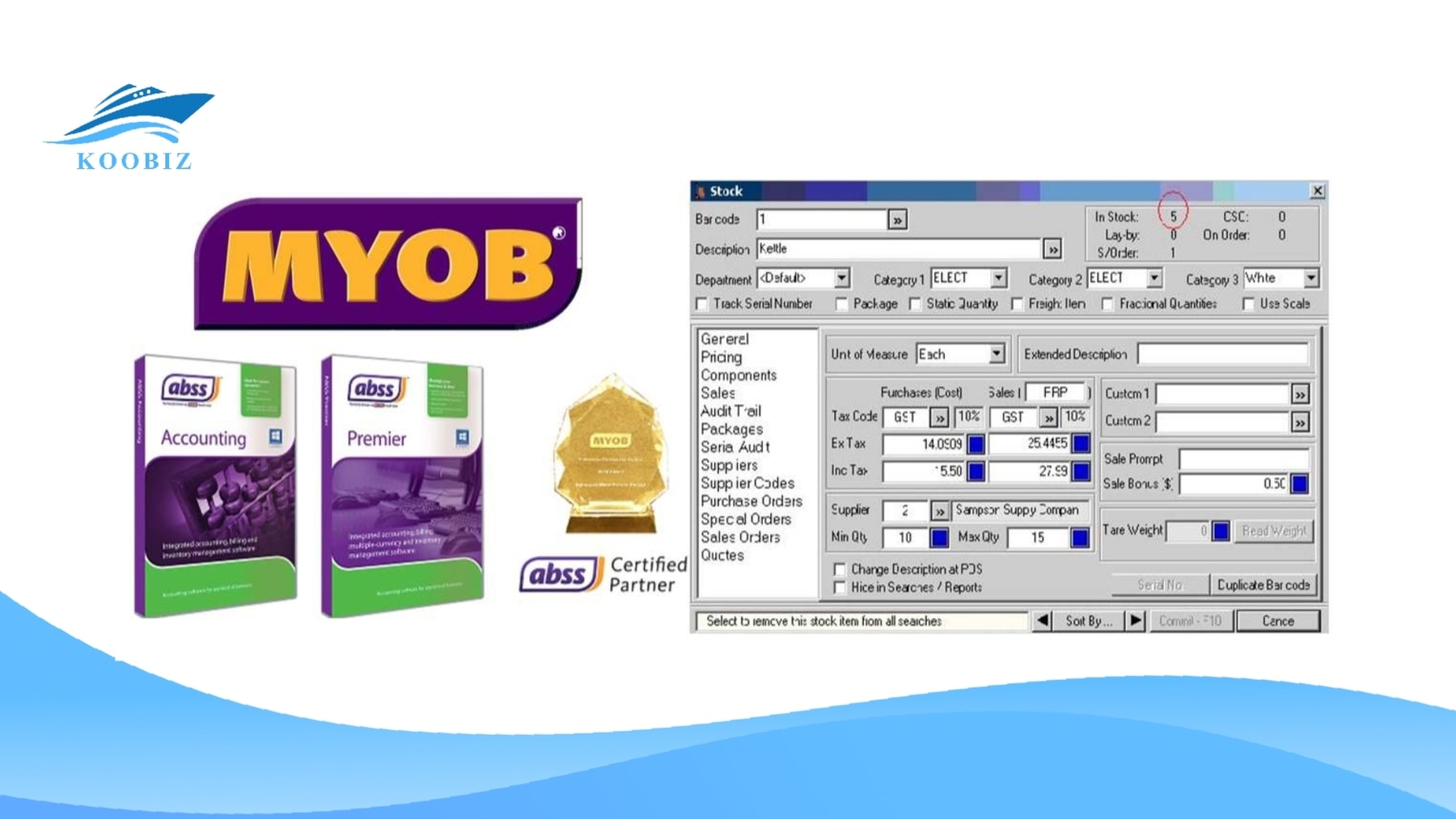
    MYOB, now known in Asia as ABSS, remains a trusted choice for traditional trading businesses.

    • Core Strength: Stability and robust inventory management. Many older accounting firms are deeply familiar with it.
    • Deployment: Offers desktop/hybrid models.

    Pros:

    • Inventory: Very strong stock handling capabilities.
    • Familiarity: Long-standing presence in the Singapore market.
    • Licensing: Perpetual license options available (pay once).

    Cons:

    • Legacy: Lacks the “work from anywhere” agility of true cloud native apps.
    • UI: Interface feels dated compared to modern SaaS tools.

    Odoo
    Odoo
    Odoo

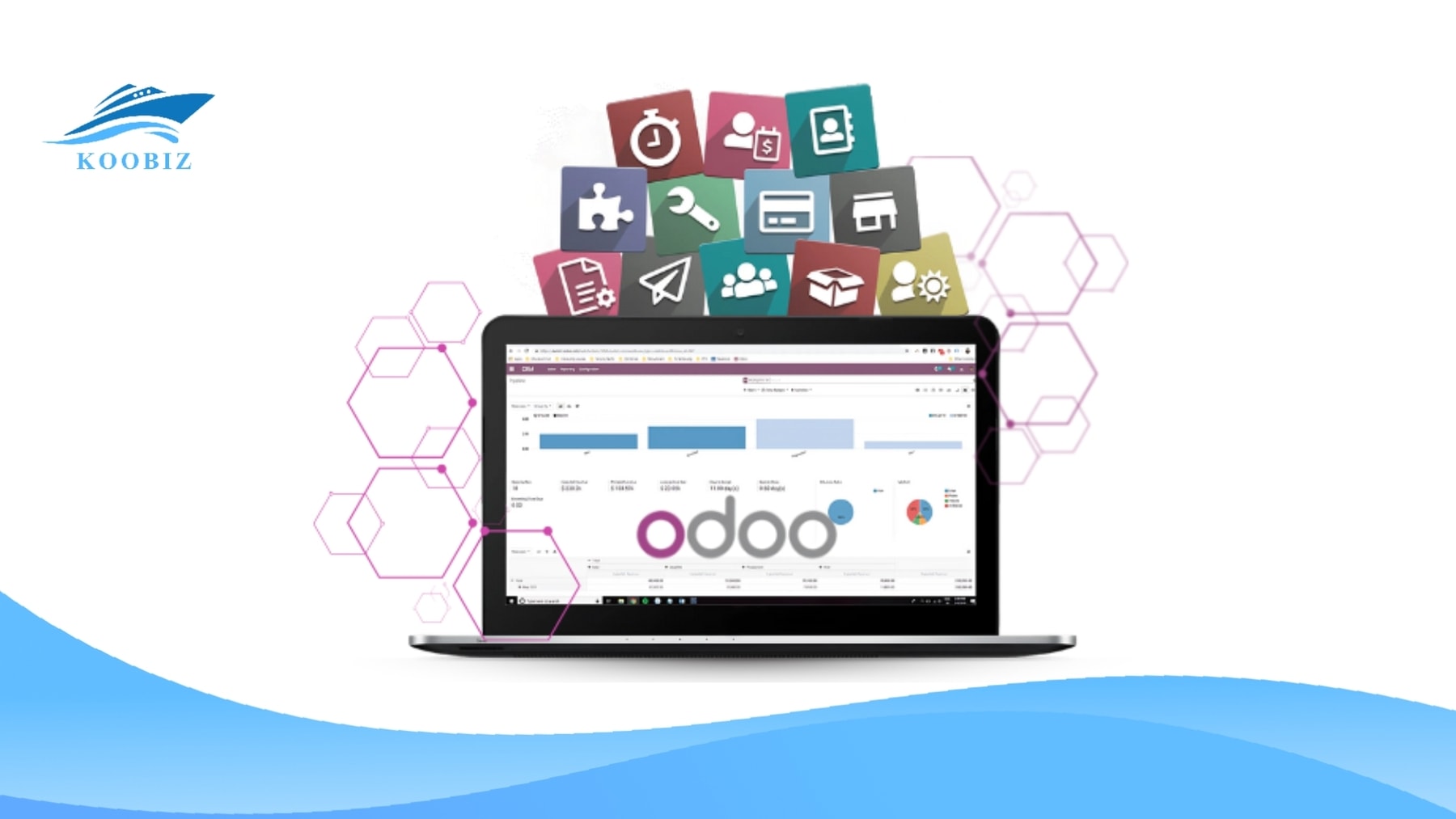
    Odoo is a highly modular, open-source platform allowing businesses to “stack” apps (HR, POS, Manufacturing).

    • Core Strength: Modularity. Start with accounting, then add modules as you grow.
    • Flexibility: Open-source nature allows for deep customization.

    Pros:

    • Customizable: Can be tailored to exact workflows.
    • All-in-One potential: Can replace multiple disparate software tools.

    Cons:

    • Technical Setup: implementation can be complex and may require developer support.
    • Cost Creep: Adding many modules can increase costs unexpectedly.

    Aspire
    Aspire
    Aspire

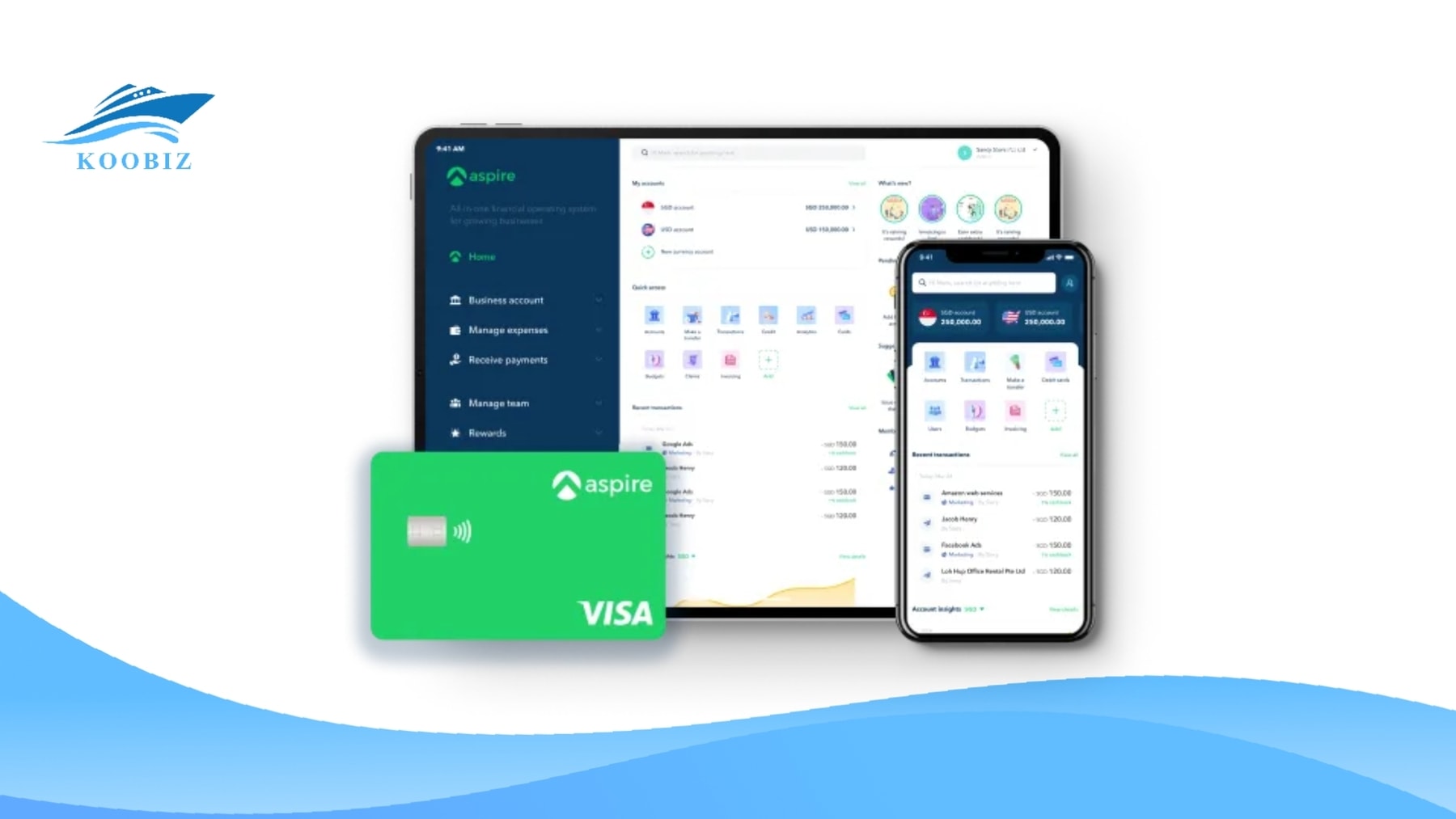
    Aspire is technically a fintech operating system, not a traditional general ledger. It serves as a powerful complement to Xero/QuickBooks rather than a total replacement for complex accounting needs.

    • Core Strength: Integrated business account, corporate cards, and spend management. It syncs data seamlessly to accounting software.
    • Best For: Digital startups wanting an “all-in-one” finance dashboard.

    Pros:

    • Efficiency: Automates expense categorization and receipt matching.
    • Speed: fast account opening and card issuance.
    • Cost: No monthly subscription fees for the core account.

    Cons:

    • Not a full GL: Lacks deep accounting features like depreciation schedules or complex audit trails (best paired with Xero).

    Comparison of Key Features: Price vs. Functionality

    Xero wins on ecosystem depth, QuickBooks on entry-level pricing/promos, and NetSuite on enterprise power.

    To make an informed decision, you must weigh the current market pricing against functionality.

    Note: Prices below are indicative. Always check vendor websites for live promotions (e.g., “70% off for 6 months”).

    Software Pricing Model Multi-Currency User Limits Ideal For
    QuickBooks Subscription (Check for Promos) Available Flexible Micro-businesses
    Zoho Books Tiered Subscription Mid-tier Plans Flexible Budget-conscious Automation
    Xero Tiered Subscription Premium Plan Only Flexible Scaling SMEs
    MYOB (ABSS) License / Subscription Version Dependent License-based Traditional Trading
    NetSuite Custom Quote Native Per User Fee Large Enterprises
    Odoo Free / Per App Fee Enterprise Version Per App/User Tech-savvy / Custom Needs
    Aspire Free (FX/Trans. Fees apply) Native (FX focused) Unlimited Digital Startups (Fintech)

    At Koobiz, we advise clients to look at the “Total Cost of Ownership,” including the cost of add-ons and the potential need for a migration consultant.

    Having identified the top players in the market, it is essential to look beyond the software features themselves. The next logical step for a Singaporean business owner is to understand how to fund this investment and how to handle the technical transition.

    How to Offset Costs with the Productivity Solutions Grant (PSG)

    • Eligible Singapore SMEs may get up to 50% support for approved IT solutions via PSG. Key points: your business must be registered and operating in Singapore with minimum local shareholding requirements; apply on the Business Grants Portal and receive approval before purchasing; not every vendor/partner is PSG-eligible. Koobiz can help identify PSG-approved vendors and prepare the application.

    Cloud vs. Desktop Accounting: Which Suits Your Business Model?

    Cloud accounting offers real-time accessibility and automatic backups, whereas desktop software provides offline security.

    • Cloud (The Modern Standard): Tools like Xero and QuickBooks allow you to run your business from anywhere. This is essential for utilizing the InvoiceNow network.
    • Desktop (The Traditionalist): Solutions like older versions of MYOB reside on your office hard drive. This appeals to businesses with specific data sovereignty requirements or poor connectivity, though these are becoming rarer in Singapore.

    The Rise of AI in Accounting: Automated Forecasting & Cash Flow

    The latest frontier in 2025 is the integration of Artificial Intelligence (AI), moving accounting from retrospective reporting to proactive insights.

    • Xero JAX-style assistants let you query finances with natural language.
    • Anomaly detection flags suspicious transactions automatically.
    • These AI features give SMEs early warnings on cash flow and help reduce routine manual checks.

    Switching Accounting Software: A Migration Checklist

    Switching accounting software requires a disciplined migration strategy.

    1. Cut-off Date: Choose a clean break point (e.g., financial year-end).
    2. Chart of Accounts: Map your old codes to the new system.
    3. Opening Balances: Accurately enter balances for all accounts as of the cut-off date.
    4. Parallel Run: Koobiz Tip: Run both systems for one month to ensure P&L parity before full switch-over.

    Navigating the landscape of accounting software in Singapore can be daunting, but making the right choice is foundational to your company’s compliance and efficiency. Whether you choose Xero for its ecosystem or NetSuite for its power, the goal remains the same: clarity and control over your finances.

    At Koobiz, we guide you from incorporation to a production-ready finance stack: company setup, choosing ASR+ software, PSG applications, data migration, and ongoing tax and audit support. Our approach reduces implementation risk and keeps you compliant from day one.

    Ready to discuss options for your business? Visit Koobiz.com to schedule a consultation — we’ll assess your needs and recommend a tailored, cost-effective accounting setup.
  • Small Business Accounting Guide: 6 Steps to Setup, Costs & IRAS Filing

    Small Business Accounting Guide: 6 Steps to Setup, Costs & IRAS Filing

    [SUMMARIES]

    Compliance is Mandatory: Singapore SMEs must strictly adhere to ACRA and IRAS filing timelines (ECI, Form C-S, Annual Returns) to avoid penalties.

    Process Simplification: Following a structured 6-step cycle—from separating bank accounts to monthly reconciliation—ensures accuracy and audit-readiness.

    Cost Management: Leveraging cloud software like Xero and outsourcing to firms like Koobiz can be more cost-effective ($300-$800/mo) than hiring in-house.

    Government Support: New companies can utilize the Start-Up Tax Exemption (SUTE) and Productivity Solutions Grant (PSG) to lower tax bills and software costs.

    [/SUMMARIES]

    Navigating the regulatory landscape of Small Business Accounting in Singapore might seem complex at first, but it’s the foundation of a successful, sustainable company . From From laying down your first chart of accounts to submitting your annual filings, each step requires careful attention. . This comprehensive guide will walk you through the essential steps to set up your financial systems, break down the costs involved in DIY versus outsourced approaches, and highlight the best cloud software options available. At Koobiz, we understand these challenges and provide expert guidance to help your business thrive while ensuring full regulatory compliance.

    What is Small Business Accounting in Singapore?

    Small Business Accounting in Singapore
    Small Business Accounting in Singapore

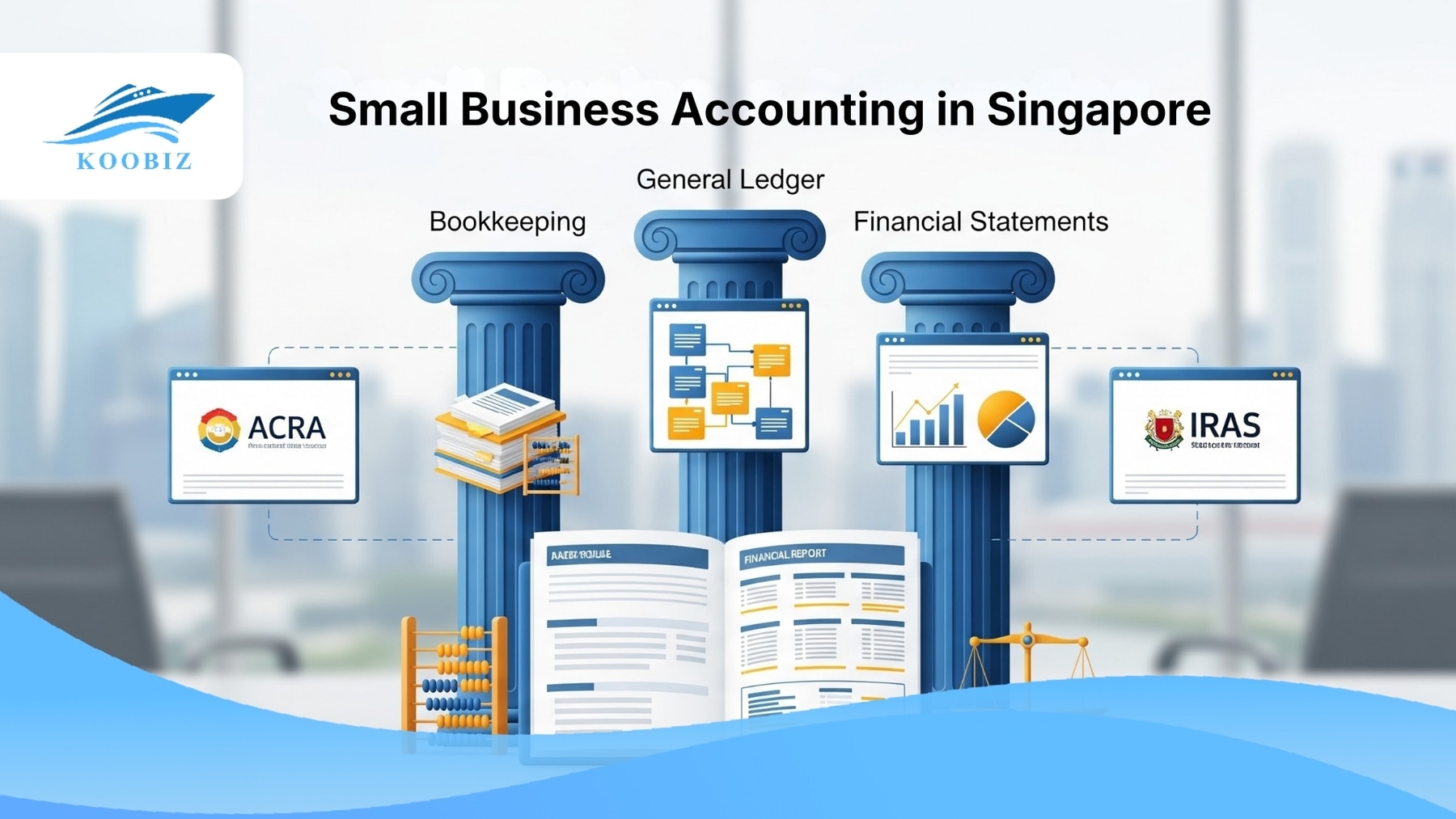
    Small business accounting in Singapore is more than just bookkeeping. It’s the essential practice of organizing, understanding, and reporting your company’s financial story to meet the requirements of national regulators like ACRA and IRAS.

    To truly grasp what this involves, it’s helpful to think of three foundational pillars that support sound financial management for any business here.It is not merely about tracking expenses; it is about creating a transparent financial narrative that satisfies both government authorities and stakeholders.

    Detailed Explanation:

    The ecosystem of accounting for Singaporean SMEs revolves around maintaining accurate Financial Records and preparing statutory filings. Unlike personal finance, corporate accounting requires strict adherence to the Singapore Financial Reporting Standards (SFRS).

    To ensure you remain in good standing with the Accounting and Corporate Regulatory Authority (ACRA) and the Inland Revenue Authority of Singapore (IRAS), you must focus on:

    • Daily Bookkeeping: The diligent recording of all sales and purchase transactions.
    • General Ledger Preparation: Organizing these transactions into a structured format.
    • Unaudited Financial Statements: Finalizing accounts at the end of the financial year (mandatory for filing).
    • Record Retention: Keeping records for at least five years to avoid fines and legal complications.

    How to Do Small Business Accounting in 6 Steps

    How to Do Small Business Accounting
    How to Do Small Business Accounting

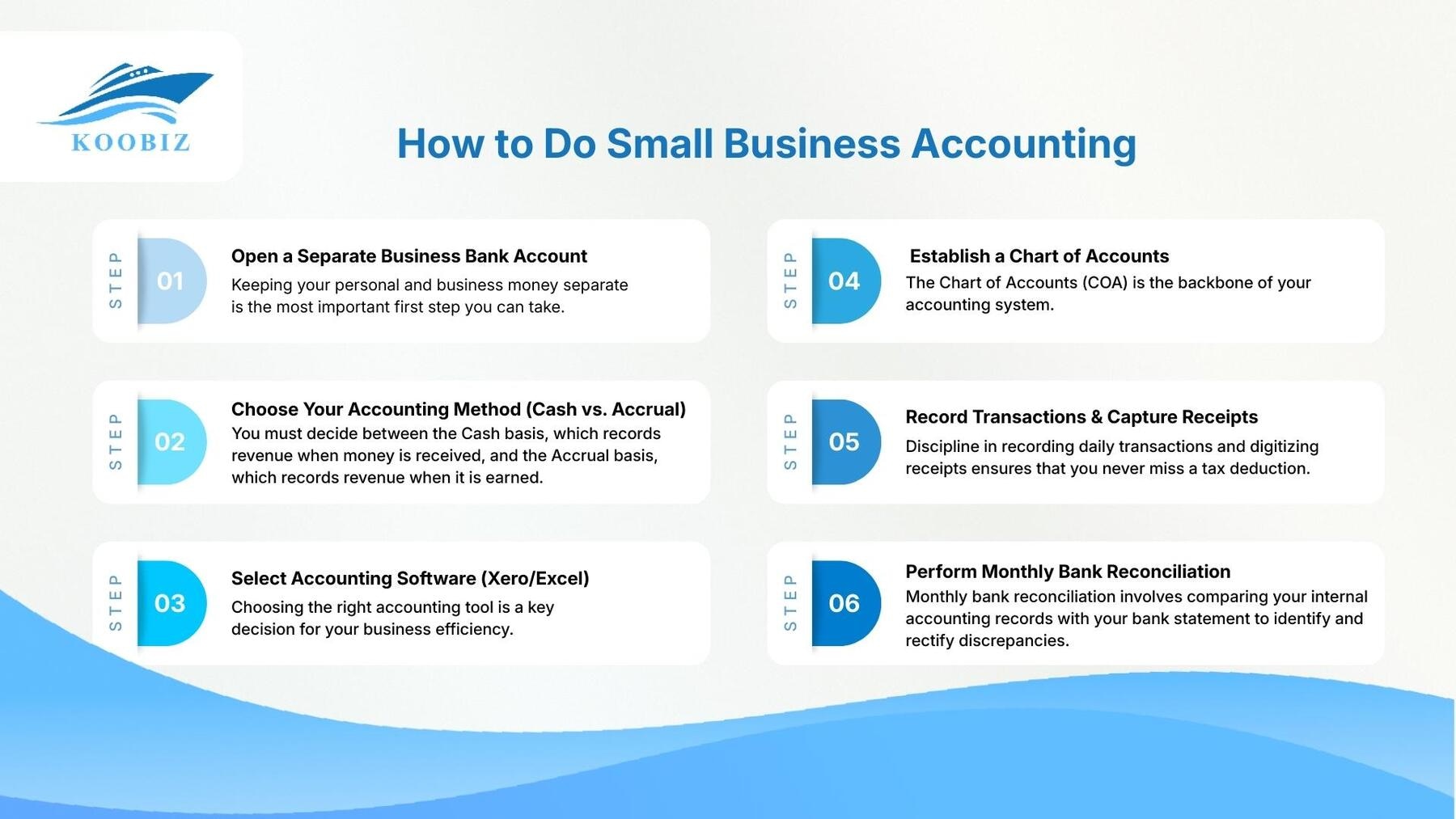
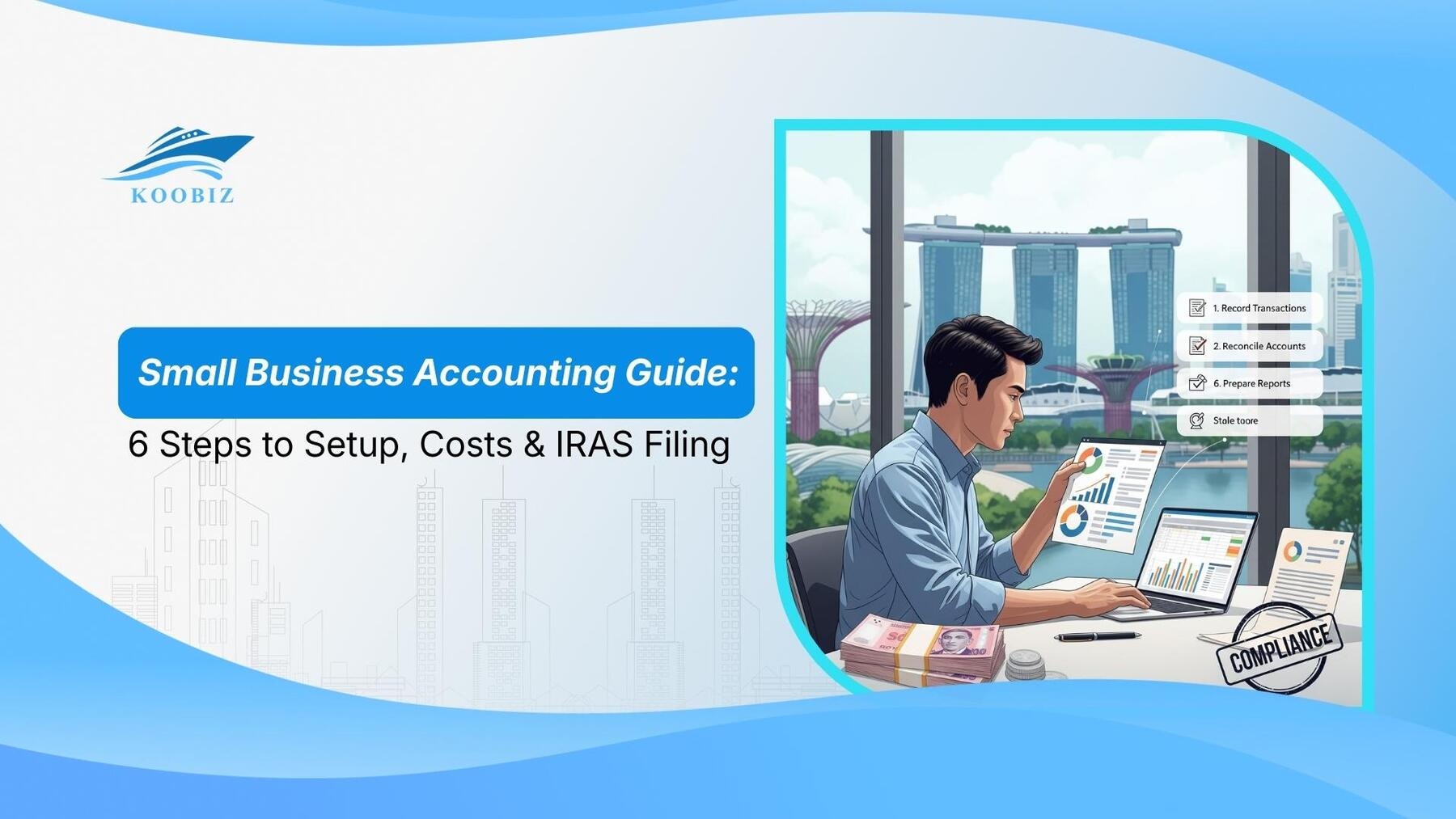
    A robust accounting system can be established through a structured 6-step method that ensures data accuracy, regulatory compliance, and streamlined financial reporting.

    Let’s explore this step-by-step process, which transforms a chaotic pile of receipts into a set of financial statements ready for tax season.

    Step 1: Open a Separate Business Bank Account

    Keeping your personal and business money separate is the most important first step you can take. It’s the foundation of a legitimate business. Mixing funds—a common mistake for new entrepreneurs—creates messy bookkeeping and can even weaken the legal protection a company provides for your personal assets. The simplest solution? Open a dedicated corporate bank account with a trusted local bank like OCBC, DBS, or UOB. This instantly ensures that every transaction you record is purely for business, making your accounts clearer and your legal position stronger. At Koobiz, we help our clients smoothly navigate the account opening process, including all required KYC checks, so you can get this essential setup done without the hassle.

    Step 2: Choose Your Accounting Method (Cash vs. Accrual)

    You must decide between the Cash basis, which records revenue when money is received, and the Accrual basis, which records revenue when it is earned. While sole proprietorships might opt for cash accounting for simplicity, most Singapore Private Limited companies choose the Accrual Method. This method provides a more accurate picture of financial health by matching revenues and expenses to the period in which they occurred, a requirement for complying with SFRS.

    Step 3: Select Accounting Software (Xero/Excel)

    Choosing the right accounting tool is a key decision for your business efficiency. For the very smallest operations, a simple spreadsheet might work at the start. However, to truly automate your finances and keep up with best practices, most businesses quickly graduate to modern cloud-based accounting software. Platforms like Xero are highly recommended because they integrate directly with Singapore bank feeds and support e-invoicing (InvoiceNow). Using compliant software reduces manual entry errors and ensures that your data is secure and accessible from anywhere, facilitating easier collaboration with your accountant.

    Step 4: Establish a Chart of Accounts

    The Chart of Accounts (COA) is the backbone of your accounting system, categorizing every transaction into specific buckets such as Assets, Liabilities, Equity, Revenue, and Expenses. A well-structured COA allows for granular reporting. For instance, instead of a generic “Office Expenses” category, you might split it into “Rent,” “Utilities,” and “Supplies.” This setup is crucial for generating meaningful management reports that help you analyze profitability.

    Step 5: Record Transactions & Capture Receipts

    Discipline in recording daily transactions and digitizing receipts ensures that you never miss a tax deduction. Modern accounting relies on “scan and snap” technology. Every time you incur a business expense, take a photo of the receipt and upload it to your software immediately. This habit prevents the “shoebox of receipts” syndrome at year-end and ensures you have the necessary documentation to substantiate your claims during an IRAS audit.

    Step 6: Perform Monthly Bank Reconciliation

    Monthly bank reconciliation involves comparing your internal accounting records with your bank statement to identify and rectify discrepancies. This is the final quality control check. It highlights missing transactions, duplicate entries, or bank errors. By reconciling monthly, you ensure that your financial statements are accurate month-over-month, making the final year-end closing process significantly faster and less stressful.

    How Much Does Small Business Accounting Cost?

    When budgeting for your business accounting, you’ll find costs can range from very modest to several thousand dollars per year, depending on whether you manage it yourself or hire experts.

    The key is to understand what you’re paying for. A solution that seems inexpensive upfront may not cover everything you need, potentially leading to costly penalties or administrative headaches later. A clear breakdown helps you make a smart, sustainable choice for your business.

    DIY Costs (Software) vs. Outsourcing Fees

    SME accounting costs: DIY and outsourcing
    SME accounting costs: DIY and outsourcing

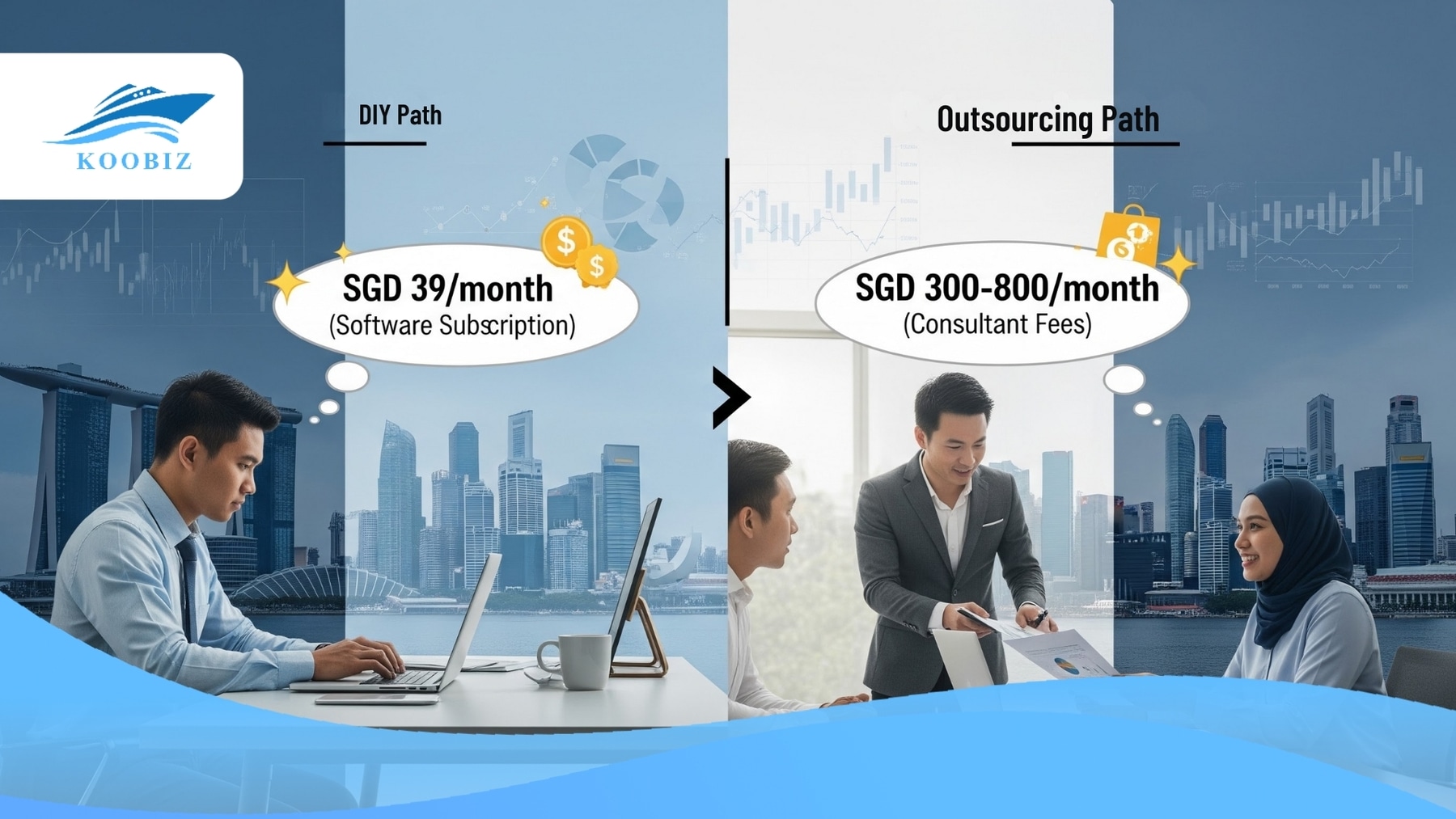
    If you choose the DIY route, your primary cost will be the software subscription. Prices have recently adjusted, with Xero starting around SGD 39 per month and QuickBooks around SGD 38 per month. While affordable, this route demands your time and expertise.

    Alternatively, many businesses choose to outsource. A professional firm like Koobiz typically charges between SGD 300 to SGD 800 per month for bookkeeping, or SGD 600 to SGD 1,500 per year for annual compilation and tax services. While outsourcing has a higher sticker price, it eliminates the salary cost of an in-house accountant (which averages SGD 3,500/month) and guarantees compliance.

    Understanding Hidden Compliance Fees

    When planning your business accounting budget, remember to account for the occasional “extra” compliance fees beyond your usual bookkeeping. These include the cost of converting financial statements into XBRL format (required by ACRA for insolvent or complex companies), which can cost SGD 300-500. Additionally, there are filing fees for the Annual Return (SGD 60) and potential software setup or data migration fees. Budgeting for these ensures you aren’t caught off guard during the filing season.

    What Are the Key IRAS and ACRA Filing Obligations?

    IRAS & ACRA main tax filing obligations (ECI, AR)
    IRAS & ACRA main tax filing obligations (ECI, AR)

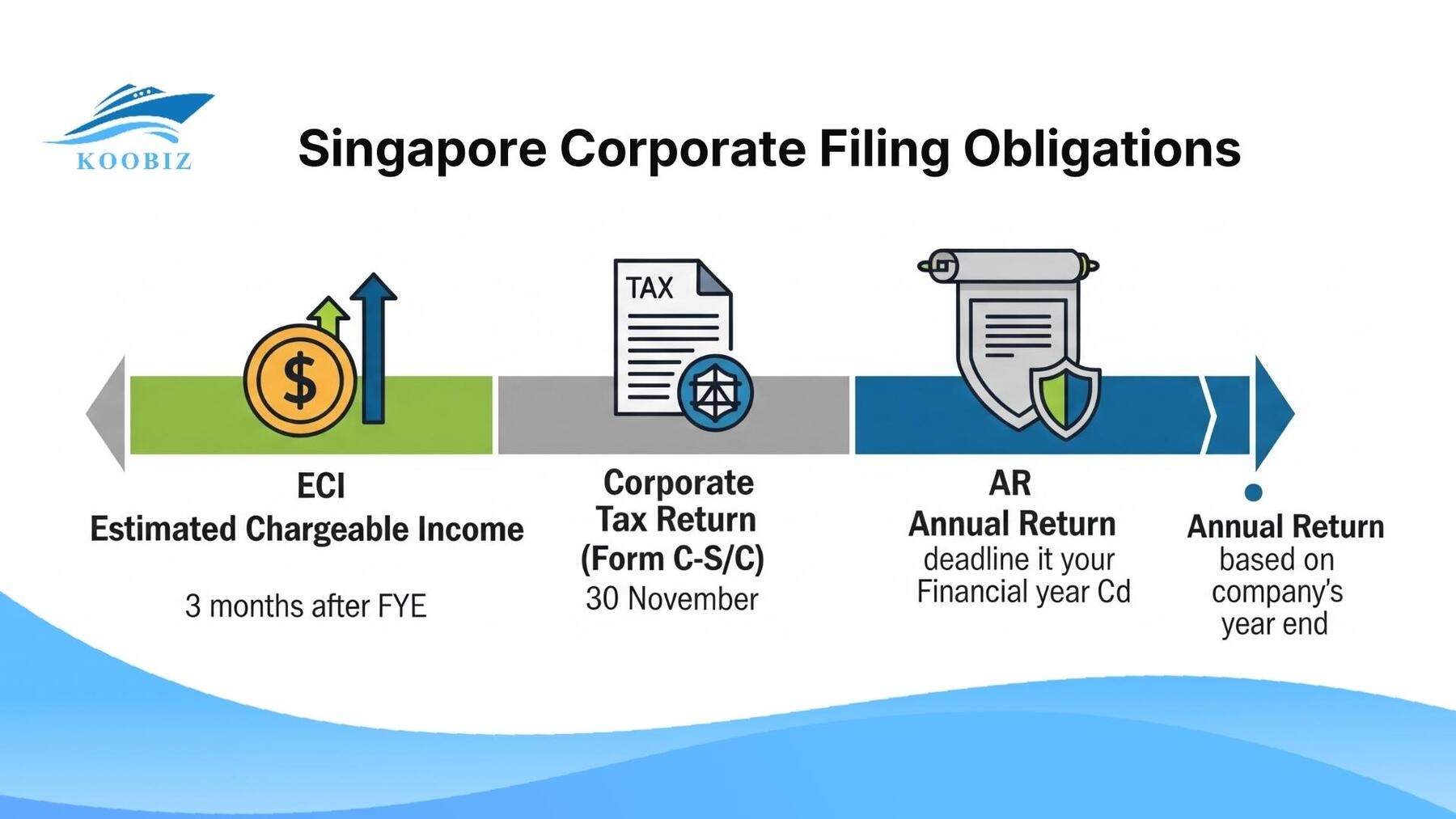
    Singapore companies have three primary filing obligations: the Estimated Chargeable Income (ECI), the Corporate Tax Return (Form C-S/C), and the Annual Return (AR).

    Adhering to this timeline is non-negotiable, as late filings attract strict enforcement actions and composition fines.

    Estimated Chargeable Income (ECI) Timeline

    ECI is an estimate of your company’s taxable income for a Year of Assessment (YA), which must be filed within three months from the end of your financial year. For example, if your financial year ends on 31 December, you must file ECI by 31 March the following year. However, companies are exempted from filing ECI if their annual revenue is not more than SGD 5 million and their ECI is nil. Filing early can also offer the benefit of paying taxes in installments.

    Form C-S vs. Form C Corporate Tax Return

    The Corporate Tax Return is the final declaration of your actual taxable income, due by 30 November annually. Most small businesses qualify to file Form C-S, a simplified 3-page return for qualifying companies with annual revenue of SGD 5 million or less. For even smaller companies (revenue under SGD 200k), there is Form C-S (Lite). Companies that do not qualify for these simplified versions must file the detailed Form C alongside financial statements and tax computations. Koobiz specializes in helping SMEs identify the correct form to maximize efficiency.

    Annual Return (AR) Requirements for ACRA

    The Annual Return is a separate filing submitted to ACRA to verify that the company’s particulars and financial status are up to date. It must be filed within seven months after the financial year-end (for private companies). The AR submission includes the company’s financial statements (unless exempted) and details of company officers. Importantly, you must hold an Annual General Meeting (AGM) or pass a written resolution before filing the AR.

    Top Cloud Accounting Software for Singapore SMEs

    Each platform has its own strengths. Xero is excellent for its seamless bank connections, QuickBooks is known for its powerful reporting features, and Wave is a great free option for very small businesses just starting out.

    The best choice for your company isn’t one-size-fits-all. It really depends on factors like the size of your business, your budget, and how important local banking and tax integrations are for your daily operations.

    Xero vs. QuickBooks vs. Wave: A Quick Comparison

    Feature Xero (Recommended) QuickBooks Online Wave
    Best For Scaling SMEs & Service Businesses Retailers & Wholesalers Freelancers & Micro-biz
    SG Bank Feeds Seamless (Direct DBS/OCBC/UOB) Supported Not Supported (Manual)
    IRAS Compliance High (ASR+ Tier 1) High (ASR+ Tier 1) Low (Manual filing)
    Inventory Basic (Great App Ecosystem) Advanced Built-in Very Basic
    Cost (Est.) From ~SGD 39/mo From ~SGD 38/mo Free (Basic features)
    User Ratings Excellent (4.5/5) Very Good (4.3/5) Good (4.0/5)

    Why You Need IRAS-Compliant Software

    Opting for accounting software that is listed on the IRAS Accounting Software Register (ASR+) is a strategic step towards simpler and more reliable compliance. This certification means the software is built to meet the specific technical standards of Singapore’s tax authority, allowing you to prepare and file your corporate tax return (Form C-S) seamlessly. An added advantage is its ability to generate the IRAS Audit File (IAF), a standardized digital file you can provide if your records are ever reviewed, making the audit process much smoother.. Furthermore, ASR+ software is often pre-configured for Singapore’s Goods and Services Tax (GST) logic, reducing the risk of calculation errors in your quarterly GST F5 returns.

    Government Grants & Tax Exemptions for New Companies

    Singapore encourages new businesses with practical financial support designed to ease your start-up phase. The key initiatives are the Productivity Solutions Grant (PSG) and the Start-Up Tax Exemption (SUTE), both aimed at reducing your initial costs and tax burden.

    Productivity Solutions Grant (PSG) for Accounting Software

    This grant can cover up to 50% of the cost for approved IT solutions, including popular accounting software like Xero. To qualify, your business must be registered and operating in Singapore. The key is to select a pre-approved package from the official government directory. By effectively halving the software cost, the PSG makes professional tools accessible from day one.

    Start-Up Tax Exemption (SUTE) Scheme

    The SUTE scheme is a major incentive that offers tax exemption on the first SGD 100,000 of normal chargeable income for the first three consecutive YAs. Specifically, new companies enjoy a 75% exemption on the first SGD 100,000.

    Additionally, there is a 50% exemption on the next SGD 100,000 of chargeable income. This means tax savings extend up to the first SGD 200,000 of income, significantly lowering the effective tax rate and allowing you to reinvest profits into growth. Koobiz helps clients structure their first financial years to maximize these benefits.

    Common Accounting Questions & Edge Cases

    Navigating the nuances of accounting often leads to specific questions regarding audit exemptions, GST registration, and technical filing formats.

    Below, we clarify some of the most frequent “gray area” queries we receive from business owners.

    What is the “Small Company Concept” for Audit Exemption?

    In Singapore, a company is exempted from having its accounts audited if it qualifies as a “Small Company.” To qualify, it must meet at least two of the following three criteria for the immediate past two financial years: (1) Total annual revenue does not exceed SGD 10 million; (2) Total assets do not exceed SGD 10 million; (3) Total number of employees does not exceed 50. This exemption saves SMEs thousands of dollars in audit fees annually.

    Do I Need to Register for GST?

    Registration is mandatory only if your annual taxable turnover exceeds SGD 1 million. If you’re below this threshold, you can choose to register voluntarily to claim back GST on your business purchases, but this comes with the responsibility of filing quarterly returns. It’s a strategic decision worth careful consideration.

    What is XBRL Filing and Who Needs It?

    XBRL is a digital format for financial statements required by ACRA. Most companies need to file a full XBRL report. However, small, solvent private companies often have simpler options, like filing a PDF or a less detailed XBRL format. Preparing these filings typically requires specific software or professional help.

    How Do I Handle Multi-Currency Transactions?

    All transactions must be recorded in Singapore Dollars (SGD). Use the exchange rate on the date of each transaction. At year-end, any foreign currency held in your accounts must be revalued to reflect the current rate, with the difference recorded as a gain or loss. Modern cloud accounting software automates this entire process. .

    Does My Financial Year End (FYE) Have to Be 31 December?

    No, Singapore companies can choose any date as their Financial Year End (e.g., 31 March, 30 June). It does not have to align with the calendar year. However, choosing a date other than 31 December is often strategic. For example, ending your FYE early in the year might give you more time to prepare for tax season, or help you maximize tax exemptions if your first “year” is slightly shorter or longer (up to 18 months).

    About Koobiz

    Managing the complexities of accounting, tax, and compliance in Singapore requires more than just software; it requires a partner who understands the local regulatory framework. At Koobiz, we specialize in comprehensive corporate services, from Singapore company incorporation and opening corporate bank accounts to handling your monthly bookkeeping, tax filing, and auditing needs. Let us handle the numbers so you can focus on growing your business.

    Visit us at koobiz.com to schedule a consultation with our experts today.