[SUMMARIES]
Singapore’s general insurance premiums have reached a record S$6.09 billion, leading to sharp rate increases across all commercial sectors.
These rising premiums directly strain corporate cash flow and erode net profit margins due to high upfront costs.
Using outdated financial data during renewals often forces companies to pay inflated premiums on depreciated assets and historical payroll baselines.
Proactively reviewing assets and payroll 90 days before policy expiration establishes a much stronger position for rate negotiations.
Maintaining precise, real-time bookkeeping aligns actual business metrics with underwriter assessments to protect operational liquidity.
[/SUMMARIES]
Navigating Singapore’s business landscape in 2026 demands lean, strategic cost control. Skyrocketing commercial insurance premiums are no longer just a line-item expense you can simply “set and forget” – they are actively draining operational cash flow. Managing this volatility requires more than just accepting new rates; it demands a proactive analysis of market realities to safeguard your bottom line.
Navigating the New Reality: Singapore’s General Insurance Premiums Hit S$6.09 Billion
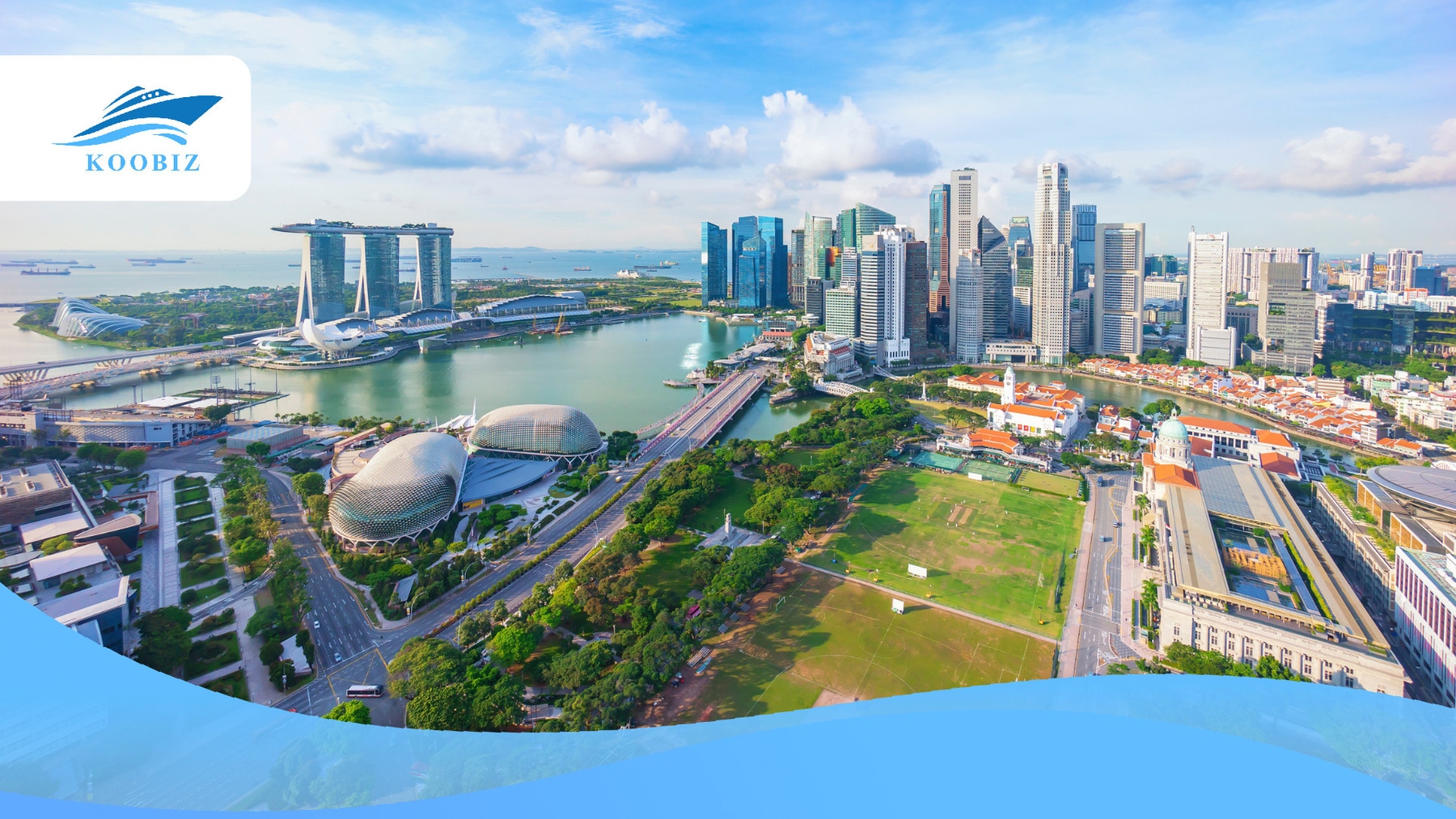
To manage costs effectively, businesses must first confront market realities. According to the General Insurance Association of Singapore (GIA), domestic general insurance premiums hit a record S$6.09 billion – an 8.4% year-on-year increase – crossing the S$6 billion threshold for the first time.
This spike is fueled by an 8.7% surge in net incurred claims, totaling S$1.8 billion. To offset these mounting payouts, underwriters are aggressively adjusting rates across core commercial segments:
- Property (Premiums: S$864.1 million, Up 4.1%): A 3% uptick in local fire incidents (2,050 cases) and global reinsurance pressures sent claims skyrocketing by 60.5%. Businesses must expect a significantly higher premium floor for offices, warehouses, and facilities.
- Health (Premiums: S$1.24 billion, Up 7.4%): Driven by severe medical inflation, claims rose 6.4% to S$409.4 million. CFOs and HR leaders are forced to re-evaluate and restructure corporate employee benefit programs to absorb these costs.
- Motor (Premiums: S$1.28 billion, Up 5.2%): A sharp 11% surge in claims – driven by accident severity and repair inflation – resulted in a S$6.9 million underwriting loss. Fleet operators will face stricter policy terms and continued rate hikes.
- Employer’s Liability (Underwriting performance: S$94.4 million): While workplace safety compliance kept underwriting performance stable, base premiums remain highly sensitive to shifting payroll scales and labor dynamics.
The takeaway is clear: the era of low-cost, transactional commercial coverage is over. Safeguarding profit margins in 2026 requires moving away from reactive purchasing toward proactive, strategic cost control.
How Rising Premiums Affect Business Cash Flow and Profit Margins
An 8.4% market-wide premium hike is not just a statistical headline; it translates directly into a tangible financial squeeze for local enterprises. When commercial insurance costs climb, the ripple effects extend far beyond a routine increase in administrative expenses on your Profit and Loss (P&L) statement.
Cash Flow Strain
Unlike subscription-based software or monthly utilities, commercial insurance policies typically demand upfront, annual premium payments. A sudden 15% to 30% increase across a company’s comprehensive insurance portfolio – spanning property, employee benefits, and public liability – creates an immediate, substantial cash drain. This unexpected capital lock-up directly restricts a company’s ability to fund key strategic investments, forcing leadership to defer hiring plans or inventory procurement simply to maintain statutory and asset protection.

Erosion of Profit Margins
Operating in Singapore is already a high-overhead endeavor. Amid persistent domestic inflation and rising commercial rental rates, double-digit insurance hikes place corporate margins under severe pressure. In a highly competitive market, businesses cannot easily pass these soaring overheads onto clients without risking their competitive edge. Consequently, every unoptimized dollar spent on inflated premiums is carved directly out of your net profit margins.
The Risk of Outdated Financial Data
The most overlooked catalyst for inflated corporate insurance budgets is the reliance on outdated financial records during the renewal process. When bookkeeping is delayed or inaccurate, businesses frequently present obsolete asset valuations, inflated payroll baselines, or incorrect employee headcounts to underwriters. Because insurers calculate risk and price premiums based on these specific metrics, using lagging financial data inevitably leads to “over-insuring” depreciated assets or paying excess premiums on a workforce that may have already scaled down.

3 Cost Management Strategies to Offset Insurance Hikes
To defend profit margins against rising insurance premiums in 2026, businesses must transition from passive renewal acceptance to proactive risk and data management. Implementing these three practical financial strategies will help control and mitigate rising commercial coverage costs:

Strategy 1: Preventing “Over-Insurance” Through Accurate Asset & Payroll Classification
Insurers calculate commercial premiums based on two critical corporate metrics: payroll scale (for Employer’s Liability) and asset values (for Property Insurance).
Maintaining real-time, synchronized bookkeeping ensures that you are not paying premiums on depreciated machinery that no longer reflects its current book value, or on a workforce that has been downsized. By performing regular asset valuation audits and keeping precise payroll records, you ensure that coverage aligns perfectly with your active operational footprint. Accurate classification prevents you from paying “phantom premiums” on non-existent risk.
This is where integrating professional bookkeeping services, such as those provided by Koobiz, serves as your first line of defense. By maintaining real-time, audit-ready financial ledgers and accurate depreciation schedules, Koobiz ensures your underwriters evaluate and price your corporate risk based on precise, present-day figures – rather than inflated historical baselines.
Strategy 2: Proactive Budget Reforecasting & Cash Flow Allocation
Because commercial insurance renewals typically demand one-off annual payments, they can severely disrupt monthly operational cash flow if left unmanaged.
Forward-thinking leadership teams treat upcoming insurance renewals as a high-priority line item within their 12-month cash flow projections. We advise reviewing existing policies at least 90 days prior to expiration. This planning runway allows you to build a dedicated cash reserve over the preceding quarters or explore structured premium financing options to distribute the capital impact evenly across the fiscal year.
Strategy 3: Data-Driven Premium Negotiations
Insurance underwriters assess risk conservatively – and price it higher – when faced with vague or incomplete information. To secure competitive rates, you must present a compelling, evidence-backed risk profile.
Do not simply accept the initial renewal quote. Instead, approach the negotiation table armed with verified financial statements, clean ledger records, and documented workplace safety protocols. Presenting a transparent audit trail of reduced operational risks and accurate financials provides your broker with the necessary leverage to negotiate lower deductibles and secure preferred tier rates from underwriters.
Optimize Your Singapore Business Strategy with Koobiz’s Bookkeeping Services

At Koobiz, we view bookkeeping as far more than a routine compliance tick-box – it is a powerful, strategic lever for cost optimization. In a corporate environment defined by escalating operational overheads, maintaining precise, real-time financial records is a business’s most effective defense against premium inflation.
Singapore enterprises partner with Koobiz to reclaim control of their insurance budgets through three core pillars:
- Dynamic Asset & Payroll Tracking: We keep your physical assets and payroll structures continuously updated. By aligning your risk profile with your active business scale, we eliminate over-insurance and stop you from paying for obsolete risks.
- Audit-Ready Financial Transparency: We deliver meticulously structured, compliant financial statements. This level of clarity demonstrates robust internal controls to underwriters, giving your broker the hard data needed to negotiate preferred rates and lower deductibles.
- Strategic Liquidity Forecasting: We integrate upcoming premium renewals directly into your forward-looking cash flow models. Forecasting these capital requirements months in advance safeguards your operational liquidity from sudden cash drains.
Partnering with Koobiz means transitioning from reactive cash management to data-driven strategic planning, securing your profit margins as you navigate the economic landscape of 2026.
Leave a Reply